Coconut Grove vs. Coral Gables: An Honest Comparison

What separates Coconut Grove from Coral Gables is how people feel when they spend time there. That emotional response quietly influences the final decision far more than most buyers expect. When buyers tour both neighborhoods, they are not just evaluating homes. They are responding to energy, rhythm, and visual cues. Those reactions are often subconscious but powerful.
Contrasting Energies: Coconut Grove vs. Coral Gables
Coconut Grove and Coral Gables are geographically close, but they operate on different emotional wavelengths.
Coconut Grove: Creative, Walkable, and Expressive
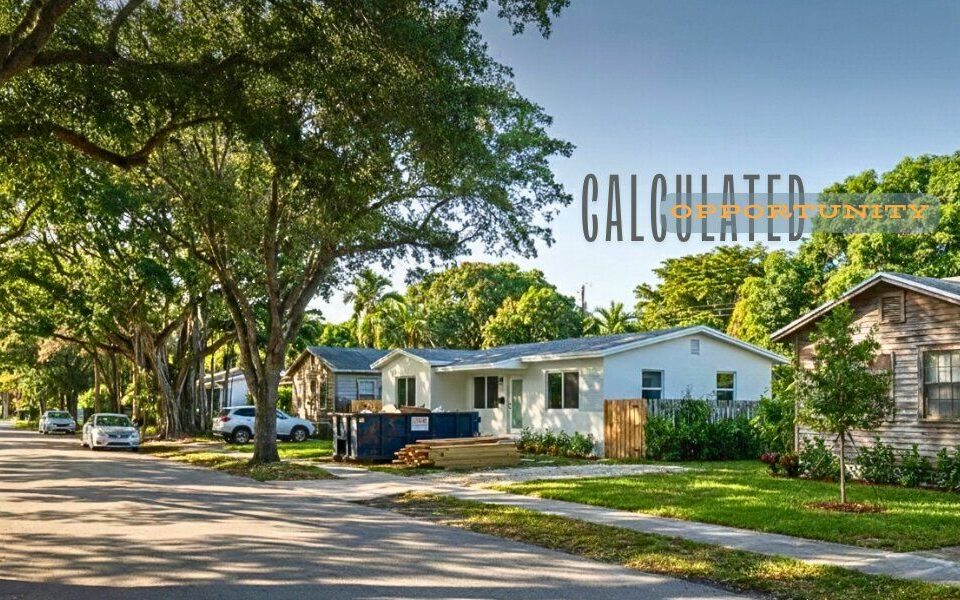
Coconut Grove feels layered and organic. The streets meander and tropical landscaping is lush and untamed. Architecture varies widely from historic cottages to multi-million dollar contemporary estates tucked among mature trees. There’s a diverse array of living options including single family homes, townhouses and luxury condos along sparkling Biscayne Bay. Many buyers describe it as charming, walkable, and visually expressive.
Living in the Grove often feels like participating in a neighborhood rather than observing one. There is a sense of spontaneity that appeals strongly to buyers who value individuality. It offers an array of shopping options, top-tier restaurants, waterfront parks, sailing clubs and excellent public and private schools.
Coral Gables: Polished, Predictable, and Calm
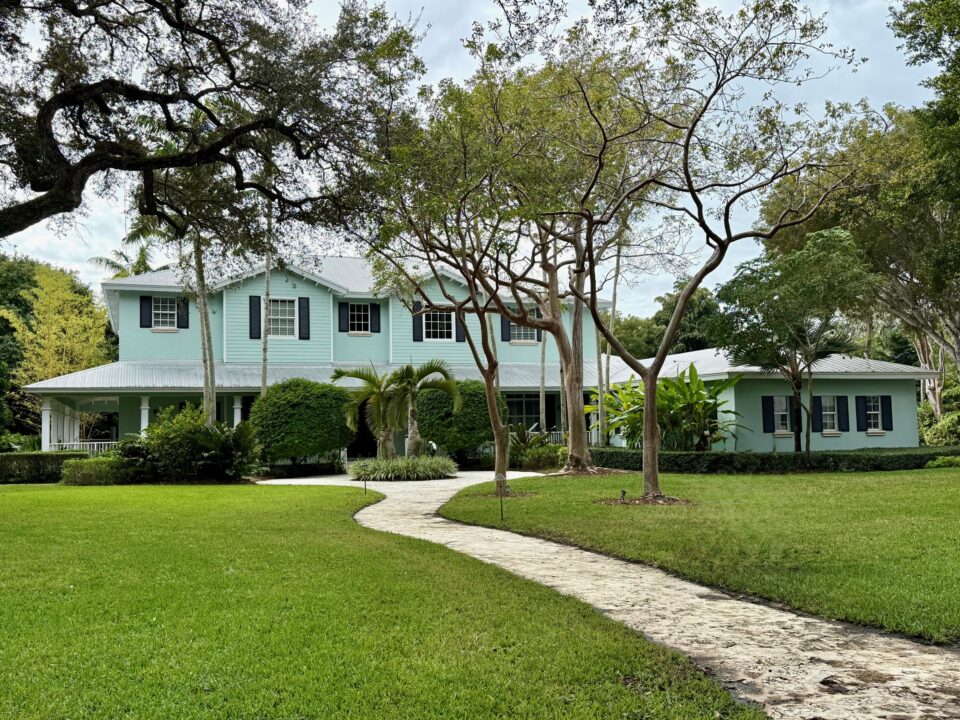
Coral Gables is intentional by design. Streets are wide and symmetrical. Mature landscaping is clean and manicured with a style and design aesthetic. Architecture follows a cohesive rhythm dominated by Mediterranean revival – from renovated Spanish casitas in the north to stunning waterfront estates in the south. As one of the oldest original neighborhoods of South Florida, the city places great emphasis on protecting and preserving historic homes.
The Coral Gables lifestyle feels elegant, polished and orderly, it’s appeal drawing buyers consistently and long-term. The city of Coral Coral offers a bustling business district with a variety of shopping options, superb restaurants and highly rated schools. For many buyers, the amenities combined with the lifestyle consistency creates a sense of calm and comfort. Daily life feels controlled, visually quiet, and and easy to navigate.
Neither neighborhood is better. Each serves different emotional needs.
Why Buyers Switch Neighborhoods
It’s common for buyers to begin their search convinced they know which neighborhood they want. After spending time in both, their preference often shifts.
Some families start in Coconut Grove, attracted by charm and walkability. Weeks later, they realize they crave structure, visual order, and a stronger sense of predictability. They pivot to Coral Gables.
Others do the opposite. They begin in the Gables, drawn to its polish, tand hen feel restless. The environment feels too formal. They discover that the Grove’s character and Bohemian energy feel more like home.
Perceived Safety vs. Actual Statistics
One of the most interesting dynamics between these neighborhoods is how buyers perceive safety.
Crime statistics for Coconut Grove and Coral Gables are relatively comparable. Yet many buyers report feeling safer in Coral Gables. The reason is emotional, not data-driven.
Strict zoning codes, manicured landscaping and an orderliness in Coral Gables communicate stability. For relocating families, that consistency often translates into comfort.
Yet, other buyers love the wild forested canopies, artistic free-spirited vibe and walkability of Coconut Grove and are perfectly secure in this lifestyle choice.
How Emotion Wins Over Numbers
An experience I had working with a relocating family from the Northeast illustrates this perfectly. They arrived with two children and a clear plan: Coral Gables. Good schools, structured streets, and a familiar aesthetic felt reassuring. Plus, friends recommended Coral Gables.
After several weeks of touring, curiosity led them to Coconut Grove. Homes and community vibe were different and the landscaping wilder. We stopped at a great restaurant for lunch on Main Highway with delicious food and fun people watching. Afterward, we walked to the yacht club aroud the corner to check out the sailing club for their kids.
Something shifted. Their kids reacted differently, more relaxed, more curious and more engaged. They all loved Coconut Grove.
Over the next two weeks we focused on Coconut Grove homes and found the perfect fit in South Grove. They chose the house becasue it aligned with how they wanted to live. Great schools, neighborhood charm and a more intimate connection to community closed the deal.
Lifestyle Fit Trumps Price
Buyers often believe they are choosing based on value. While this may be true to some degree, in practice, they choose based on how a home and neighborhood makes them feel.
Most decisions come down to:
- How structured the environment feels
- Whether visual consistency creates calm or boredom
- How much individuality matters in daily life
- What feels emotionally grounding
Clarity comes from experience, not analysis alone. Both communities offer great investment opportunity. Home prices in the Grove and Gables consistently go up.
Takeaways for Buyers
If you’re torn between Coconut Grove and Coral Gables, pay attention to your reactions.
Ask yourself:
- Where do I feel more relaxed driving around?
- Which environment feels easier to live in daily?
- Do I prefer creativity or predictability?
- Does visual order calm me or constrain me?
These answers matter more than most buyers expect.
Takeaways for Sellers
For sellers, emotional positioning is critical. Marketing a Coconut Grove home with Coral Gables messaging misses the point. Buyers are not just buying square footage. They’re buying a lifestyle.
When marketing reflects a neighborhood’s authentic feel, buyers make more confident choices.
What Buyers Want to Know
Is Coconut Grove more expensive than Coral Gables?
Pricing overlaps significantly across pockets, lot sizes, and home conditions. Emotion and lifestyle fit often matter more than raw numbers.
Which neighborhood is better for families?
Both attract families. The difference lies in whether structure or flexibility feels more supportive for your household.
Does Coral Gables hold greater long-term value?
Both neighborhoods have strong long-term demand and re-sale value. Specific streets and property characteristics influence value retention more than the neighborhood name alone.
Is Coconut Grove walkable?
Parts of the Grove are highly walkable. Other sections are more car-dependent. It varies street by street.
Why does Coral Gables feel safer to some buyers?
Visual consistency and zoning predictability create a sense of order. That emotional signal often translates into a sense of perceived safety.
Find Your Ideal Neighborhood
Deciding between Coconut Grove and Coral Gables isn’t just about price or perks. It’s about which environment feels right for you. My team combines local expertise with personalized guidance to help you find the neighborhood that matches your lifestyle and goals.
Connect with us today to find the place that fits your life, not just your checklist.