The Price Shock So Many Buyers Feel When They First Enter Miami’s Market
One of the biggest surprises for buyers entering Miami is the price of homes. Expectations are often optimistic and straightforward. Buyers assume that money from a home sale elsewhere will go further in Miami.
Then reality hits, and that moment of surprise is nearly universal. The buyer didn’t fail in their research. It’s just the natural gap between expectation and how Miami’s premier neighborhoods behave.
Getting grounded early in the process sets the tone for calmer decisions and smoother negotiations.
Understanding Miami’s Premium Neighborhoods
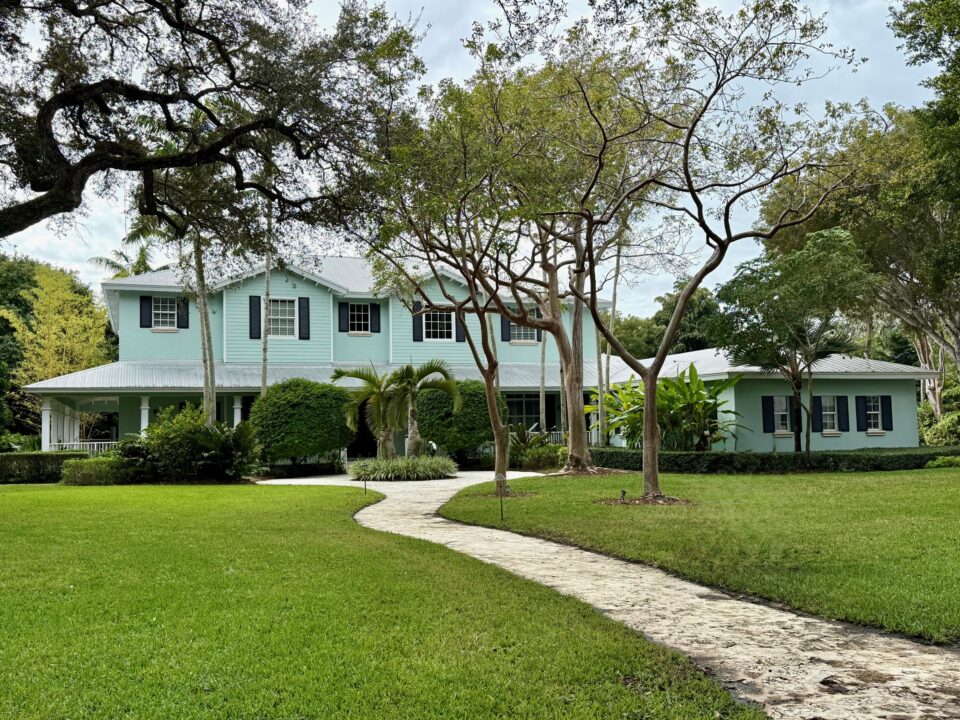
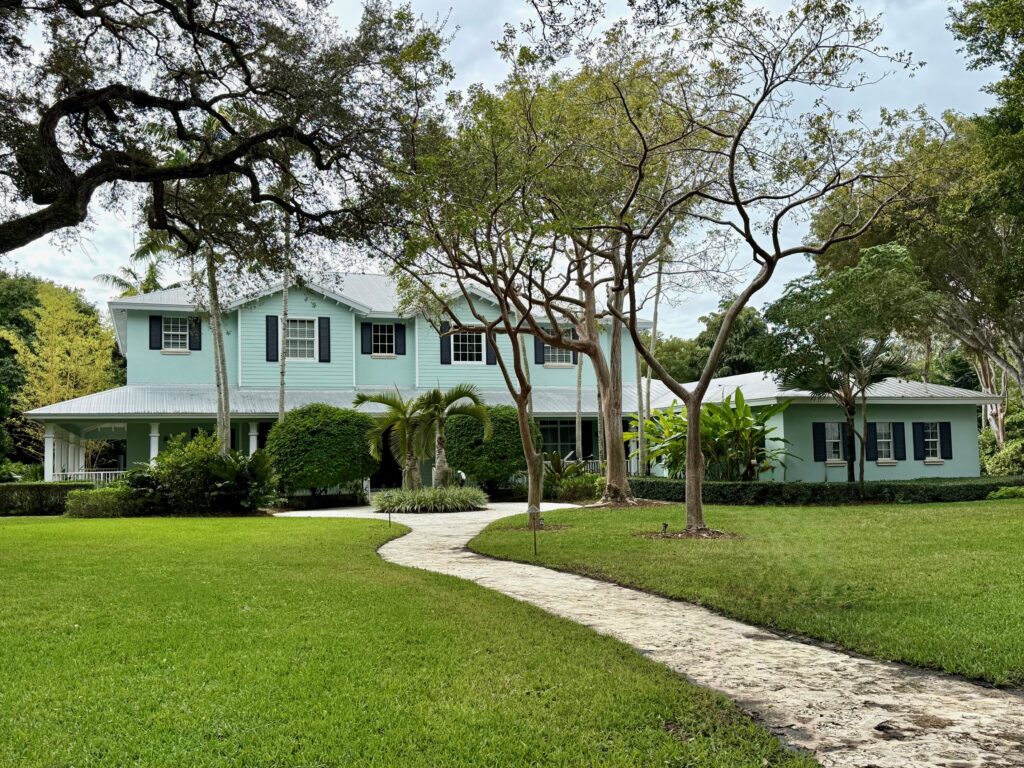
Coconut Grove, Coral Gables, and Pinecrest are three distinct markets. Yet, they share a core truth: buyers consistently pay a premium to live there.
Walkability, architecture, top schools, privacy, safety, and stability keep demand strong even as inventory changes. Lifestyle appeal, more than square footage alone, drives pricing in these markets.
Each neighborhood offers something unique:
- Coconut Grove: Lush greenery, great walkability, with an intimate, creative, and artsy vibe.
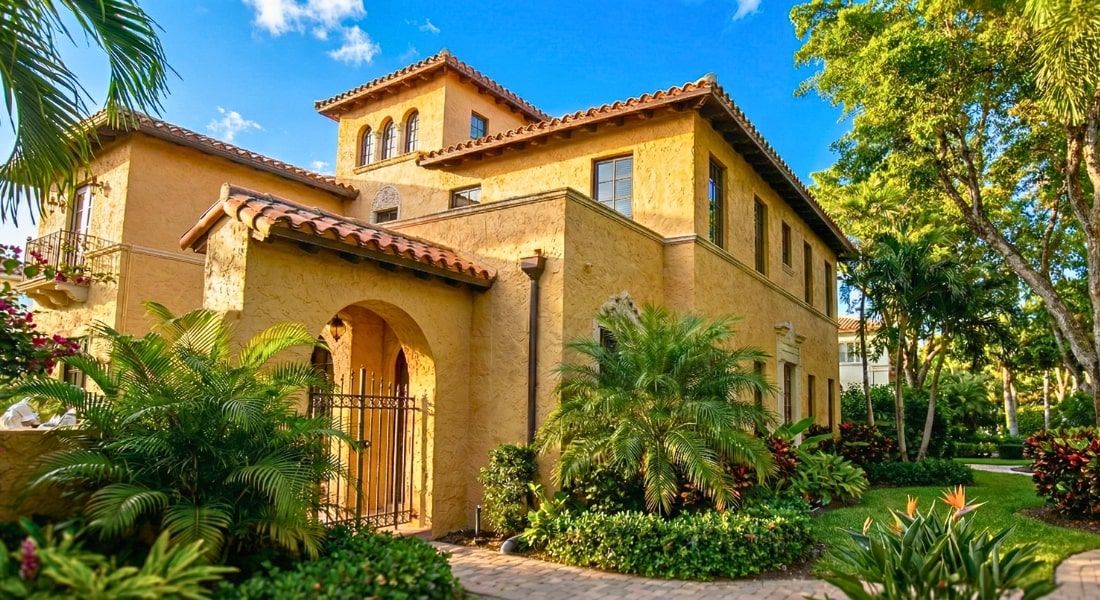
- Coral Gables: Classic Mediterranean charm, strict zoning and regulations, huge community with sophisticated, high-end shopping
- Pinecrest: Large lots, low density, safe neighborhoods, heightened privacy and a strong, deeply rooted community with top-tier schools.
Long-term residents in these neighborhoods anchor stability, which helps maintain pricing even when market conditions shift. Understanding these distinctions helps buyers align their lifestyle priorities with the right area.
Why Miami Homes Cost More Per Square Foot
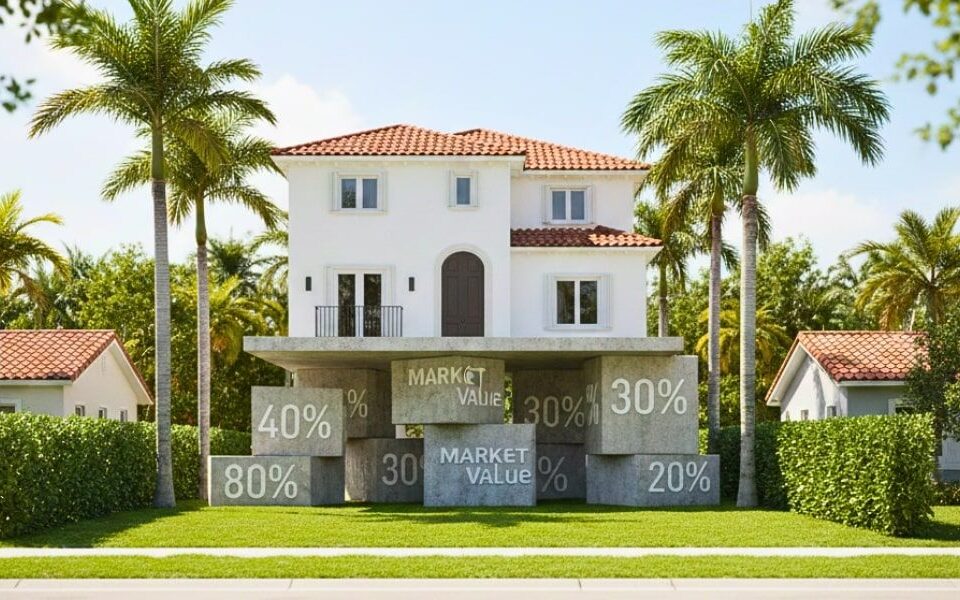
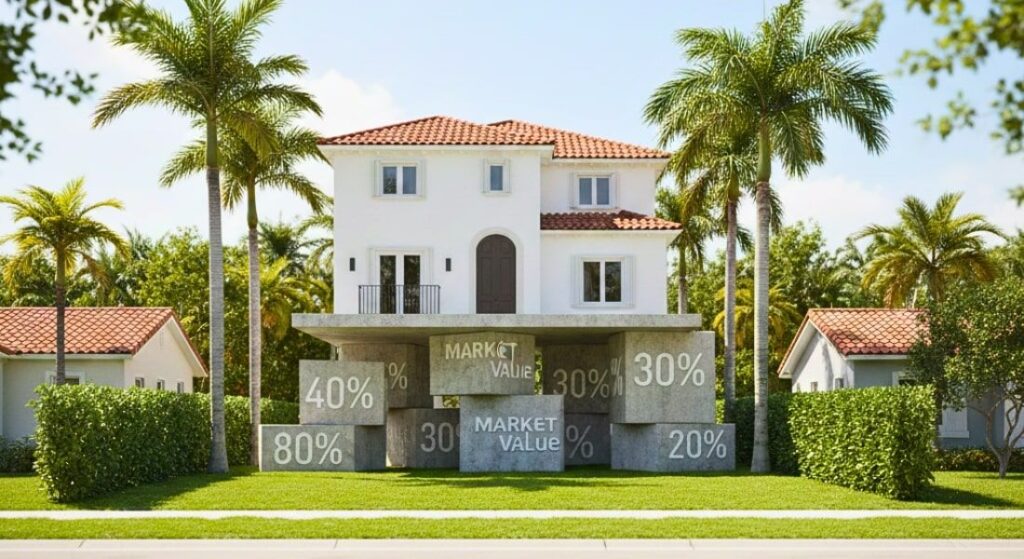
Northeast and West Coast buyers often find Miami’s pricing to rival or even exceed that of their former cities. The reason is apparent. Limited land, steady demand, and lifestyle as the primary draw are pushing prices per square foot well above expectations.
Miami’s value is defined not by home size, but by weather, no state income tax, access, international flavor, and community appeal.
Why Relocating Buyers Often Face Sticker Shock
Within days of touring, many buyers find homes in their preferred areas cost more than expected. Move-in ready often means pushing the budget to its limits. Renovation properties require honest conversations around timelines, permitting, and insurance. The challenge is especially true in Coconut Grove, Coral Gables, and Pinecrest, where schools, safety and walkability are key.
The right home may require balancing budget flexibility with renovation tolerance.
When Your Budget Doesn’t Match Your Preferred Area
Buyers often start confident, perhaps after selling a home in Brooklyn, Toronto, or L.A. Soon, they realize Miami homes can feel smaller, older, or more renovation-heavy than expected.
That’s when areas like Palmetto Bay or Pembroke Pines become appealing. These neighborhoods offer more space or newer builds, with better value per square foot.
Expanding the search can uncover options that better match a buyer’s goals.
When Flexibility Unlocks the Right Home
A recent client was moving their family from the Bay Area after selling a well-updated home with expansive views. They assumed Miami would deliver a larger, newer property at the same price.
Showings in Coconut Grove and Coral Gables revealed most homes needed updates or had unsuitable layouts. Turnkey homes were well above budget.
We pivoted to Palmetto Bay, where they found a spacious and full renovated home with a large yard, garage, pool and ideal layout. The longer commute was a trade-off, but the lifestyle payoff was worth it.
Being flexible about location can make the path to the right home smoother.
Preparing for Your Miami Home Search
Why Online Listings Can Be Misleading
Photos often make homes appear larger, brighter, and more turnkey than they are. Professional photographers frequently use wide-angle lenses, ideal lighting, and careful editing. Without seeing homes in person, buyers often assume they are ready to go.
Square footage lives differently here. Renovation quality varies so it’s important to see the finishes. The flow of an addition needs to be experienced for continuity and practicality. Outdoor space can drive pricing as the Florida lifestyle integrates year round enjoyment of interior and exterior spaces. Once buyers tour homes in person, expectations adjust quickly and more comfortably.
Seeing homes firsthand is key to understanding their actual value.
Becoming a Calm, Confident Buyer
It all starts with clear expectations. When buyers understand Miami’s pricing landscape, they make faster decisions, negotiate better, and avoid unnecessary frustration. They stay focused on what matters: layout, commute, schools, neighborhood, and overall lifestyle.
Grounded expectations are the foundation of a smoother, more confident buying experience.
Asking the Right Questions
Planning a move to Miami starts with clarity. Ask yourself:
- Is walkability essential, or is privacy the priority?
- Are school ratings influencing your search?
- Do you prefer turnkey homes, or are you open to renovations?
- What’s your lifestyle?
- Is proximity to amenities, beaches, the airport or shopping important?
Clear answers make it easier to align your budget with the right neighborhood. Revisit your priorities during the search and adjust as needed.
Finding Excitement When Reality Meets Expectations
Miami is a beautiful place to live because the lifestyle resonates with people. Once expectations match the realities of each neighborhood, the process becomes exciting and empowering. Buyers gain clarity and confidence in their choices, and the path forward becomes much smoother.
What Miami Buyers Ask Most
Why do homes in Miami feel smaller than their listed square footage?
Layouts differ from those in the Northeast or the West Coast. Older homes often have segmented rooms or wasted space in hallways. Poor lighting, dark paint, or cluttered homes can make a space feel smaller, even when the square footage is accurate.
How much renovation should buyers expect in the Grove or Gables?
The need for renovation varies widely. Some homes are well updated, while others need structural, electrical, and plumbing updates. In-person touring is the best way to assess scope, cost, and timelines.
Do photos usually reflect the actual condition of Miami homes?
Photos help with initial screening. Wide-angle lenses and ideal lighting can make spaces appear larger or more polished than they are. Touring gives a more accurate sense of flow and condition.
Are there neighborhoods that offer more space at a given price?
Areas such as Palmetto Bay and Pembroke Pines often feature larger homes and newer construction. These locations typically trade walkability for space and value.
How competitive are Miami’s strongest neighborhoods?
Demand remains steady in top areas. Well-priced, move-in-ready homes often draw strong attention, even in slower seasons.
Should buyers from California or New York expect comparable pricing?
Yes. Many of Miami’s premier neighborhoods match or exceed pricing in central West Coast and Northeast markets. High demand for the lifestyle and limited land drive those values.
Is it realistic to find a turnkey home within a mid-range budget?
It depends on the neighborhood. Some areas offer strong turnkey options, while others require renovation or flexibility on size and layout.
Do outdoor spaces significantly affect value in Miami?
Yes. Miami is an outdoor lifestyle mecca. Lot size, shade, and outdoor living often influence value as much as interior finishes.
Your Miami Home Search Made Simple
Buying a home in Miami can feel overwhelming, but you don’t have to navigate it alone. Debra Wellins brings local expertise and market insight to guide you through every step.
Reach out to Debra and take the first step toward a smoother, more confident Miami homebuying experience.