The Real Cost of Overpricing Your Home in Miami
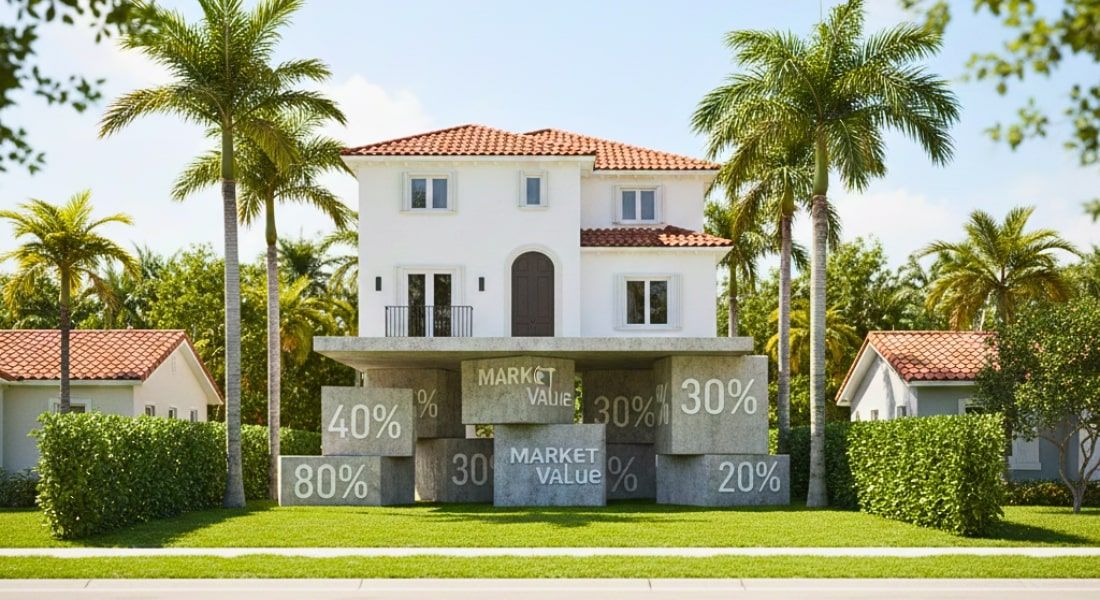
One harsh truth for sellers is that the market does not care what a home was worth. It also does not care what it feels like it should be worth.
Overpricing is rarely intentional. Most sellers act in good faith. They rely on past peak markets, neighbor stories and the financial investment they’ve put in the home. Some sellers fall into the trap of emotional pricing. In Miami, where prices rose quickly for several years, these factors can feel especially convincing.
Real estate markets run on current data, not memory. When a seller sets a home’s price above what buyers see as reasonable, the consequences are immediate. They are measurable and often irreversible.
Why Sellers Overprice
Many sellers anchor to familiar reference points:
- A neighbor’s sale from last year
- The highest price they have heard in their area
- Renovation costs or years of personal attachment
On paper, this reasoning feels fair. Sellers are not trying to be unrealistic. They are trying to protect their value.
The problem is that logic based on the past can work against you in a market that has already moved on. Buyers update their expectations weekly, sometimes daily. Sellers, on the other hand, tend to update their emotions rather than the numbers.
When a listing price does not match current market reality, the home is left behind.
Why the First Two Weeks Matter
The highest concentration of buyer attention almost always happens in the first two weeks after a home goes live.
During this time:
- Buyer alerts are fresh.
- Agents are actively comparing inventory.
- Serious buyers are deciding where to focus.
- There’s excitement about the property
Homes that enter the market at the right price benefit from urgency, clarity, and confidence. Buyers feel pressure to act. Homes that enter the market overpriced trigger a different response. Buyers pause. They observe and wait.
Momentum lost in the first two weeks is rarely recovered. Once the market has set the price, you do not get a second chance to be a new listing.
What Waiting Buyers Really Do
Waiting can feel harmless from a seller’s perspective. At that point, nothing appears lost.
From a buyer’s perspective, waiting is strategic. If multiple buyers decide to wait, demand disappears quietly rather than loudly.
As days on market increase, the listing begins to signal resistance. Buyers assume one of three things:
- The seller is unrealistic
- There is something wrong with the property
- A price reduction is coming
None of these assumptions works in your favor. Time on market becomes part of the pricing conversation, even if the home itself has not changed.
Why Price Drops Often Fail
Many sellers believe they can start high and “adjust if needed.”
In reality, price reductions rarely feel like a fresh opportunity to buyers. They raise more questions instead.
Buyers tend to ask:
- Why did it not sell at the original price?
- What flaws did others see that I might be missing?
- How much more flexibility does the seller have?
Instead of creating urgency, reductions often weaken leverage. Buyers become more confident in negotiating. Sellers become more reactive.
A later correction almost always costs more than pricing accurately from the start.
When Overpricing Fails
I once worked with a Pinecrest seller who insisted on listing well above market value despite precise, current sales data. The home had solid structural features and was in a great location and school district, but it faced several challenges. It had no backyard for kids to play, it needed total updating and the seller refused to stage or make any improvements to the home or property.
The asking price assumed buyers would overlook these issues. They did not.
The home was on the market for a year when the listing expired. By the time the seller was ready to price realistically, the broader Miami market had softened. We priced it realistically based on current comps and had two excellent offers within a month.
Waiting does not preserve value. In shifting markets, it often erodes it.
Why “Testing the Market” Doesn’t Work
Some sellers say they are “just testing the market.”
Markets do not test. They respond.
When a seller is not truly aligned with market conditions, buyers quickly sense it. A listing that feels experimental signals hesitation.
Serious buyers want clarity. They want to know if a seller can transact at a fair, defensible price.
Motivation shows up in pricing. When buyers sense uncertainty, they step back, not forward.
How Pricing and Presentation Work Together
Price does not exist in a vacuum. Buyers evaluate value through comparison.
They compare:
- Condition
- Layout
- Location
- Presentation
Pricing is not just a number. A home priced at the top of its range must look and feel like it belongs there. When the presentation does not support price, buyers mentally discount the home immediately.
The True Cost of Overpricing
Overpricing has real consequences:
- Longer days on market
- Increased carrying costs
- Reduced negotiating power
- Lower final sale price
Overpriced homes often sell for less than they would have if priced correctly from the start. Protecting value means making smart, data driven decisions to what the market will support.
How Miami Sellers Can Protect Value
Miami remains a desirable market, but buyers are more selective than they were during peak years.
Smart sellers focus on:
- Current comparable sales, not headlines
- Buyer behavior, not seller hope
- Strong positioning from day one
Homes priced correctly and presented honestly tend to sell faster, with cleaner terms and less stress. A well-priced home attracts confidence. An overpriced one invites doubt.
What Miami Sellers Ask About Pricing
Is it ever smart to price above market value in Miami?
In rare cases, a home with unique features and strong presentation may justify aggressive pricing. Most homes perform better when priced within clear, market-supported ranges.
How much does overpricing really impact the final sale price?
Homes priced correctly at launch often sell closer to the list price. Overpriced listings frequently sell for less after sitting on the market.
What if my neighbor sold for more than my agent suggests?
A neighbor’s sale reflects their property and the market at that moment. Markets change, and no two homes are identical. Recent, relevant data matters more than past anecdotes.
Can staging really justify a higher price?
Staging doesn’t increase value on its own, but it helps buyers connect and perceive value. It supports pricing. Presentation and price must align.
How long should I wait before considering a price adjustment?
Meaningful buyer feedback usually appears within the first two weeks. Low interest is a clear signal that the market is already speaking.
Does pricing lower mean I will leave money on the table?
Not necessarily. Competitive pricing often drives stronger demand, which can protect or even improve final terms. Confidence attracts action.
What is the biggest mistake sellers make when pricing?
Assuming the market will eventually come around. Markets respond immediately. Alignment matters more than optimism.
Protect Your Home’s Value with Smart Pricing
The goal isn’t to chase the last dollar. It’s to preserve the value you already have. My team uses local market expertise to help Miami sellers price their homes accurately from the start.
Connect with us today to get a clear, pressure-free pricing plan for your next move.