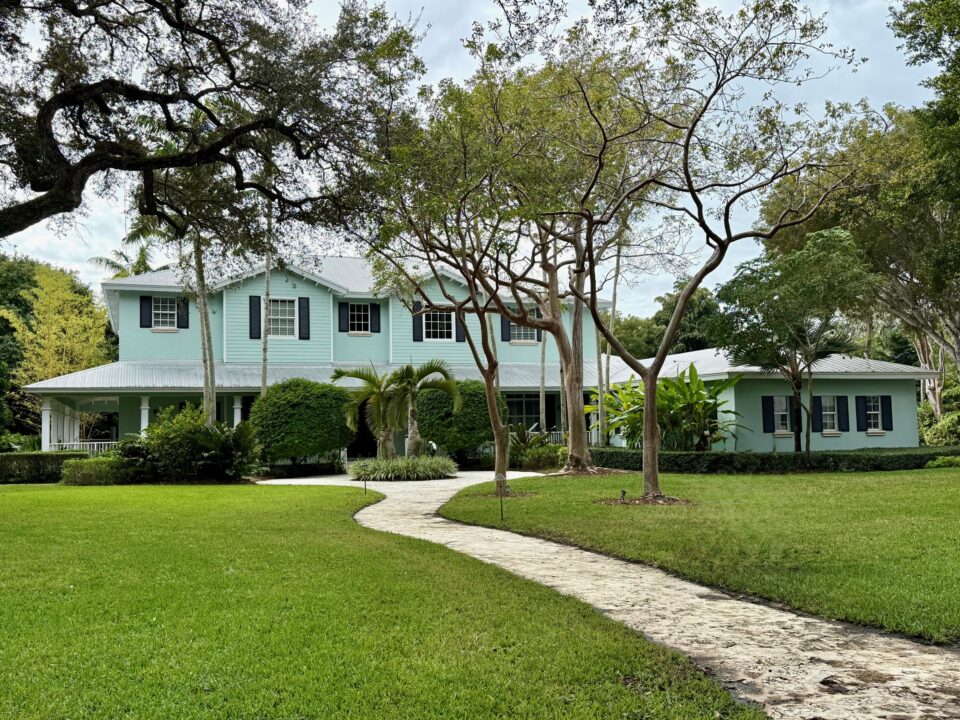
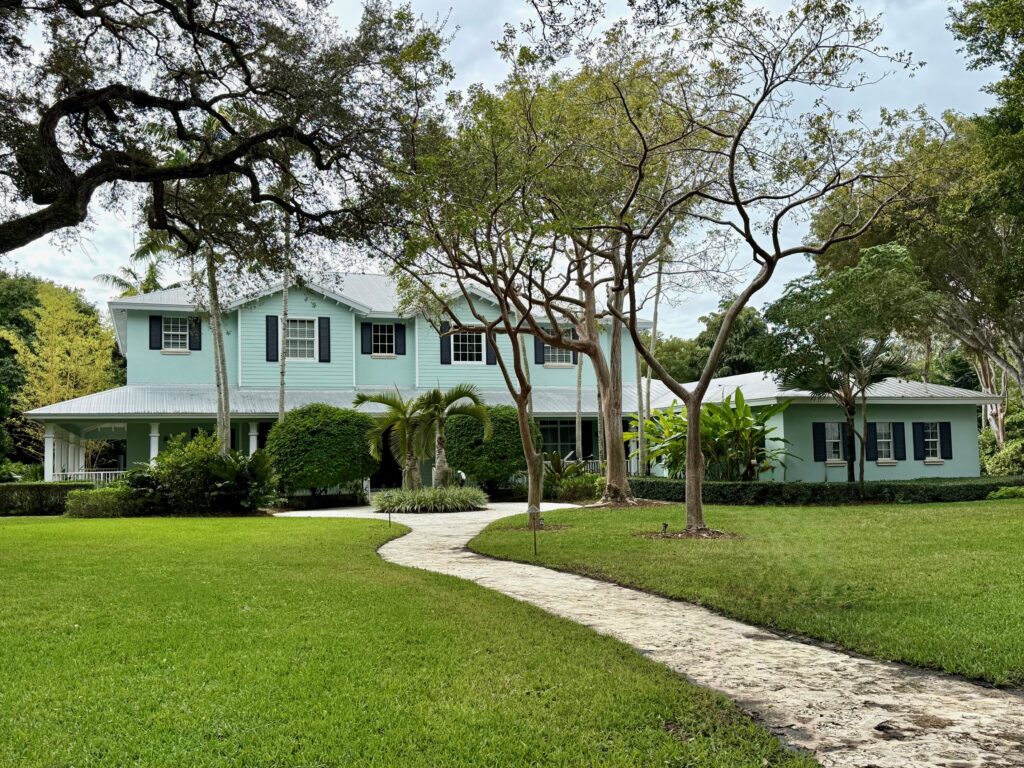
The Tough Truths Miami Buyers Need to Hear
Buying a home in Miami is exciting, but it comes with realities that can catch even seasoned buyers off guard. Relocating to Miami from New York, California, or Canada comes with subtle nuances not covered in reports or photos.
Starting with clear expectations helps you make confident decisions and avoid stress. It also makes the search process smoother and far more enjoyable.
Here are the harsh truths buyers often discover mid-process and what they mean for your move.
Protecting Your Home and Your Investment
For many relocation clients, Miami’s hurricane readiness is the first big surprise. Impact windows, shutters, roof age, elevation, and flood zones all affect insurance costs and long-term maintenance.
Impact windows are not just a luxury. They are an essential investment that protects the home and may reduce premiums. Older homes may lack impact glass and use shutters that take effort to deploy during storms.
Insurance carriers also restrict new policies during named storms. Delaying coverage can postpone your closing. That’s why you need to be proactive. Have documentation, quotes, and applications ready early to avoid last-minute issues.
Budgeting Beyond the Mortgage
Many buyers from dense cities expect lower costs in Miami, but ongoing expenses can add up quickly. Landscaping and pool care often cost several hundred dollars monthly. HOA fees vary widely. Some include landscaping; others offer only basic services.
Older homes may need updates to meet current insurance or safety standards. Create a monthly budget that includes home care, not just mortgage and taxes. That will help you compare properties accurately.
Evaluating Home and Community Fit
Square footage in Miami lives differently. Lot sizes vary, additions are common, and outdoor living areas often hold as much value as interiors. A 2,000-square-foot home in Coconut Grove may feel more expansive than a larger one elsewhere. Keep an open mind. See properties in person to understand how indoor and outdoor spaces work together.
Navigating Miami’s Fast-Moving Market
Even in a cooler market, well-priced homes in the Grove, Gables, Pinecrest, and Palmetto Bay sell fast. Buyers expecting lengthy negotiations are often surprised when a listing goes under contract in a matter of days.
Be ready to act decisively on the right home. Use data-driven guidance to avoid rushing, but know when speed matters.
Working Smart and Staying Prepared
Some buyers, especially investors or corporate relocators, assume that contacting the seller directly will get them a better deal. In reality, it can lead to overlooked repairs, insurance complications, and less leverage during inspections.
A skilled agent provides protection and clarity, especially in a market with diverse properties and changing insurance rules.
Neighborhood Feel vs. Home Features
Many buyers start their search focused on square footage or the number of bedrooms. But it’s often the neighborhood feel that drives the final decision.
Coconut Grove is artistic and eclectic. Coral Gables feels elegant and classic. Pinecrest offers space and privacy. Palmetto Bay is practical, family-friendly, and community-oriented.
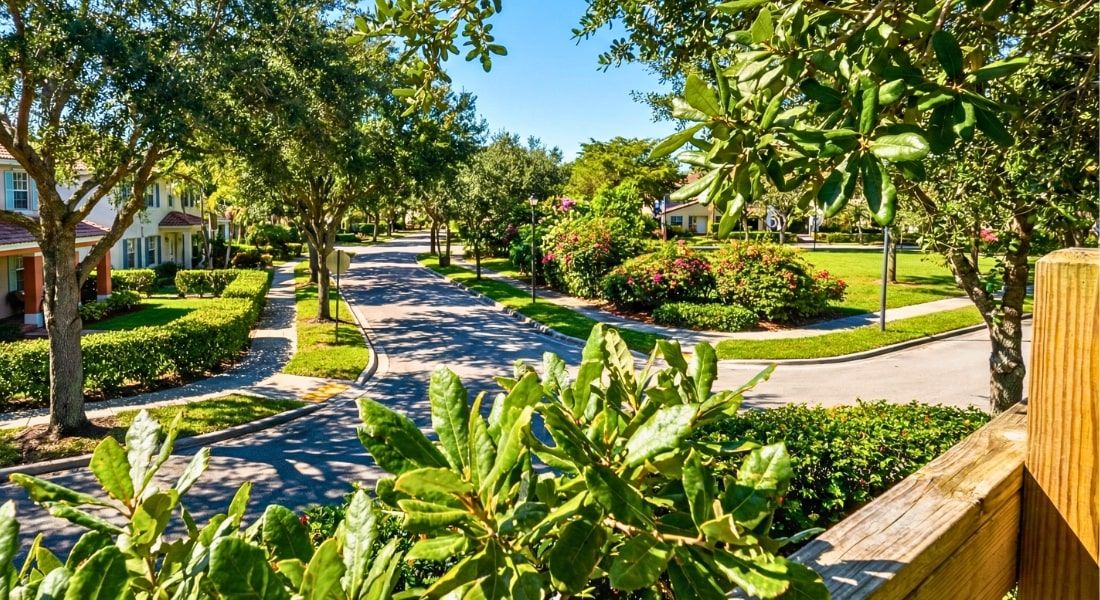
One couple from Toronto arrived set on a four-bedroom home with a large yard. Initially drawn to a renovated home in the Grove, they ultimately chose Palmetto Bay. Why? The shaded streets, parks, and slower pace better fit their family’s lifestyle.
Take time to walk and drive through neighborhoods. The right fit often reveals itself before you find the perfect house.
Adapting to Miami Life and Culture
Miami’s substantial Spanish-speaking population shapes everyday life. Interactions with vendors, schools, and neighbors may involve bilingual communication. It is not a barrier but an adjustment many newcomers grow to appreciate. Embrace the change. The culture and community warmth quickly become a highlight of Miami living.
Making the Overall Experience Smoother
The buyers who settle smoothly into Miami are those who understand the climate, costs, culture, and market pace. With clear expectations, the journey from your first showing to closing becomes less overwhelming and far more rewarding.
FAQs for Miami Homebuyers
What types of insurance should Miami homebuyers prepare for?
Most buyers need homeowners insurance, windstorm insurance, and sometimes flood insurance. Premiums depend on roof age, impact windows, elevation, and flood zone. Gather quotes early to avoid surprises and understand actual monthly costs.
How long does it take to close on a home in Miami?
Closings typically take 30 to 45 days. Insurance requirements and lender documentation can extend this. Homes in flood zones or with older roofs may need extra inspections. Planning keeps the closing on track.
Are older homes more costly to maintain in Miami?
Often, yes. Homes built before modern codes may need updates to electrical, plumbing, or windows. These updates affect comfort and insurance. Knowing this early helps with budgeting and negotiation.
Do Miami homes hold their value during market shifts?
Communities like the Grove, Gables, Pinecrest, and Palmetto Bay stay resilient thanks to demand, schools, and community appeal. Value depends on condition, location, and pricing. A well-priced home in a desirable area usually attracts steady interest.
Is living in a multilingual community difficult for newcomers?
Most buyers adjust quickly. People in Miami speak English widely, and the city welcomes residents from all backgrounds. The multilingual environment adds depth and vibrancy to daily life.
How competitive is the offer process for well-priced homes?
Well-priced homes still sell fast. While the frenzy has eased, desirable listings may get multiple offers. A clear strategy lets you act confidently without pressure.
Should I prioritize neighborhood or home features?
Both matter, but the neighborhood often drives long-term satisfaction. Homes can be updated. Neighborhoods cannot. Touring areas early helps you identify communities that fit your lifestyle.
Make Your Miami Homebuying Effortless
Buying in Miami comes with surprises, from insurance requirements to neighborhood nuances. With the proper guidance, the process becomes clear, confident, and enjoyable.
Debra Wellins combines local expertise with a data-driven approach. Her personalized strategies help you compare neighborhoods, understand costs, and make wise decisions.
Connect with Debra today to find your ideal Miami home and move in with confidence.