Turning Safety and Insurance into Negotiation Power in Miami Real Estate
For years, most buyers focused on three things: price, location, and finishes. But in Miami, with the constant threat of Category 5 Hurricanes, home safety features and insurability are at the epi-center of negotiations. Buyers now recognize the importance of buying a home that meets the stringent Florida building codes.
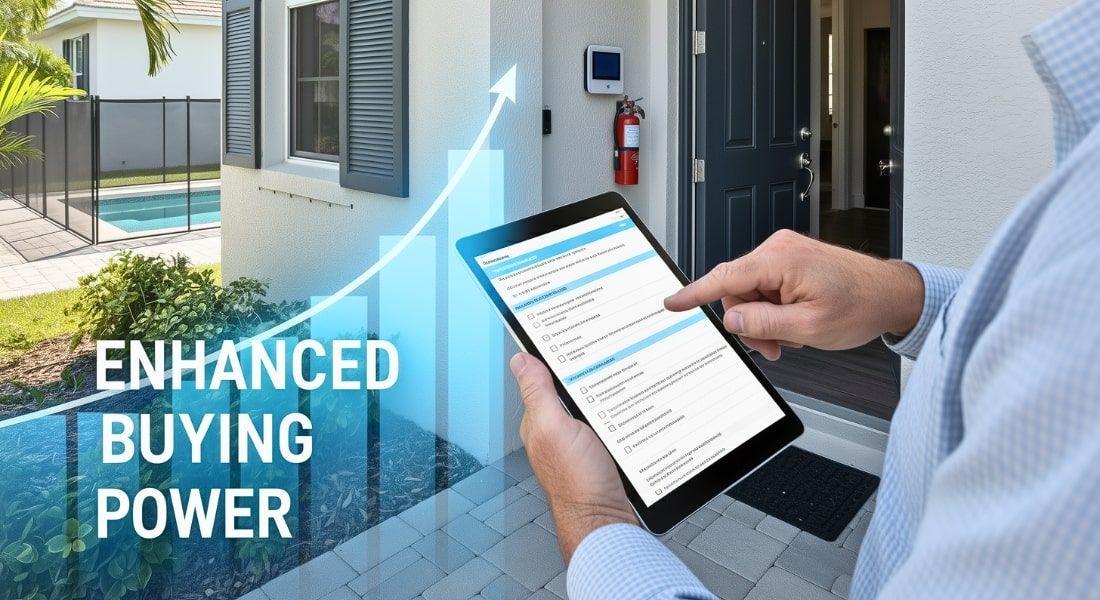
In today’s more balanced Miami real estate market, windstorm and flood insurance eligibility depend on safety features, especially if buyers are taking out a mortgage. They are now active negotiation tools that give buyers an advantage.
The Miami Market Shifted From Speed to Scrutiny
In fast-moving markets, buyers rush. Inspection timelines get shorter. They skim disclosures and plan to handle any issues later.
As the market has slowed and inventory stabilized, buyers have regained something critical: time.
That extra time allows for second showings, deeper inspections, and the evaluation of features that affect insurance and costs. What once felt secondary now takes center stage.
Time creates leverage. When buyers aren’t rushing, they can weigh the full cost of ownership rather than just the purchase price.
Insurance Eligibility Shapes Buying Power
Florida insurance carriers have become more selective. Coverage is no longer assumed, and pricing can vary widely depending on a home’s safety profile.
As a result, buyers are paying closer attention to features that directly affect insurability. These details influence monthly expenses just as much as taxes or HOA fees.
A home that looks affordable on paper can become expensive quickly if insurers limit options or charge high premiums.
Top Safety Features Buyers Prioritize
Certain features now consistently come up during inspections and insurance reviews. Buyers are prioritizing:
- Impact-rated windows and doors
- Roof age and material
- Proper roof-to-wall strapping
- Updated electrical systems
- Modern plumbing and HVAC
Homes lacking some of these features may still sell, but often spark negotiations once costs and risks become clear. Understanding these features early helps you avoid surprises and negotiate with confidence.
Why Buyers Overlook Safety at First
Listings frequently mention safety upgrades, but buyers tend to focus on what they see and feel immediately. Layout, finishes, outdoor space, and price per square foot usually make the first impression.
It is only after inspections and insurance quotes that the importance of safety features becomes obvious. That moment is where leverage appears.
Early education puts you ahead of buyers who discover these issues later, often under pressure.
Safety Features as Negotiation Leverage
Once buyers understand the cost and complexity of upgrading safety-related features, negotiations become more practical and less emotional. Common outcomes include price reductions, seller credits, repair requests, and extended timelines for securing insurance.
Because the market is no longer one-sided, sellers are more open to these conversations. They respond best when documentation supports the requests rather than assumptions. Negotiations backed by data lead to smoother agreements and fewer surprises before closing.
Negotiating with Safety in Mind
A buyer I worked with recently fell in love with a well-located Miami home that checked every box visually. The layout worked, the sellers had updated the finishes, and the price felt fair.
Then two issues surfaced during the inspections. The home had an older roof near the end of its useful life and non-impact windows.
Insurance quotes came back significantly higher than expected, with limited carrier options. Instead of walking away or pushing emotionally, the buyer gathered roof reports, insurance estimates, and post-closing upgrade costs.
Armed with precise numbers, the buyer negotiated a combination of a price reduction and seller credit. The seller was initially hesitant, but agreed once the data showed how these features affected real ownership costs. The deal closed smoothly, and both sides avoided last-minute surprises.
Preparation turns potential deal-breakers into solvable conversations.
Prepared Buyers Close Smarter Deals
Prepared buyers are not trying to “win” a deal. They are trying to make the deal make sense.
They review roof documentation, confirm insurance eligibility early, and understand the cost of upgrades before closing. This approach reduces fear-based decisions and increases confidence at the negotiating table.
Clarity replaces stress, and informed decisions tend to age better.
How Sellers Can Address Safety and Insurance
For sellers, transparency matters more than ever. If your home has safety upgrades, you should clearly and accurately highlight them. If it does not, informed buyers will factor that into pricing and terms.
Ignoring insurance realities does not make them disappear. It simply delays the conversation until inspection, often when emotions are higher.
Proactive disclosure builds trust and often leads to cleaner negotiations.
Insurance & Safety Questions Answered
How early should buyers check insurance eligibility?
Ideally, before making an offer or during the inspection period. Early quotes help avoid surprises and strengthen negotiations.
Do impact windows consistently lower insurance costs?
They often help, but savings vary by carrier. Impact features also improve eligibility, not just pricing.
Is roof age more important than roof material?
Both matter. Age affects eligibility, while material affects durability and premiums.
Can buyers require sellers to make safety upgrades?
Sellers don’t have to, but buyers often negotiate upgrades or credits when insurance costs rise.
Should buyers walk away if insurance is expensive?
Not necessarily. Understanding options and costs can open the door to creative solutions.
Are these issues unique to Miami?
They are especially relevant in South Florida due to weather exposure and insurance market conditions.
Gain an Edge in Miami Negotiations
Safety features and insurance considerations are practical factors that affect long-term ownership costs. I help buyers and sellers understand their impact, so you can negotiate confidently and reach smoother, more predictable agreements.
Connect with me today to see how these details can give you an edge in your next Miami real estate move.