Understanding Neighborhood Vibe: A Relocator’s Guide to Miami
Most buyers relocating to Miami start with the basics: price, size, number of bedrooms, number of bathrooms, and commute. Those details matter, but they rarely determine the final decision.
The actual turning point usually comes the moment a buyer connects with the neighborhood. That neighborhood vibe shows buyers what daily life will feel like before walking into a home.
In Miami, vibe expresses itself in many ways. It shows up in architecture, walkability, pace, energy, community rhythm, and the way mornings and evenings unfold. And nowhere is that more evident than in Coconut Grove, Coral Gables, Pinecrest, and Palmetto Bay.
Buyers who grasp these differences early experience a calmer, quicker, more confident search. Those who don’t often feel overwhelmed by options that look similar online but feel very different in person.
This guide walks you through those distinctions with clarity and expertise.
Understanding Neighborhood Vibe
Neighborhood vibe comes from how architecture, density, greenery, street patterns, and community spaces intersect. Walkability shapes whether your day begins with a stroll or a drive. Density affects energy levels. Parks, schools and places of worship determine where families gather. These factors blend into a rhythm that becomes part of your everyday routine.
Understanding the vibe early helps filter neighborhoods that look similar on paper but feel entirely different in person.
Miami Neighborhood Profiles
Coconut Grove
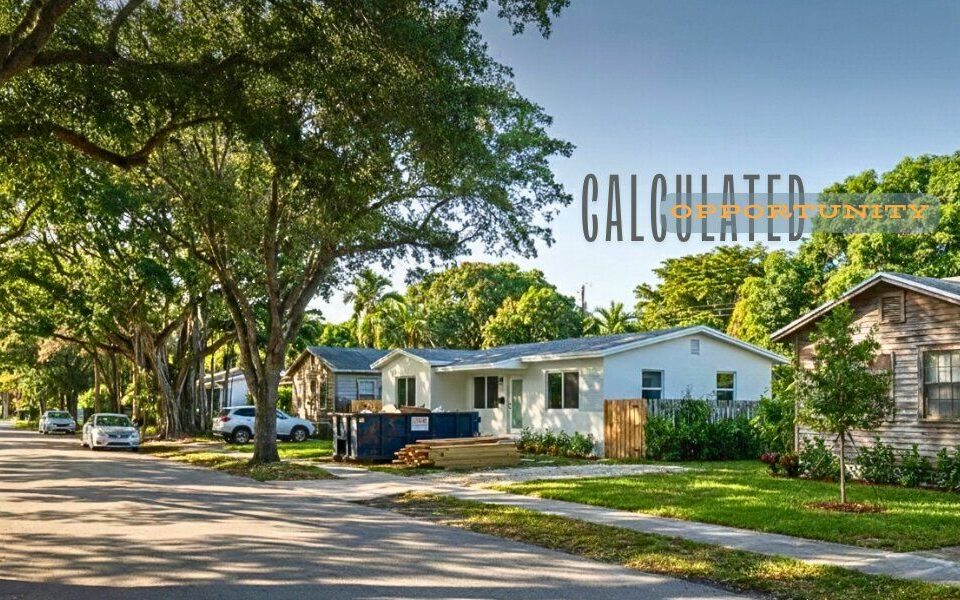
Coconut Grove has a personality you notice immediately. The tree canopy is lush, the streets feel organic and forested, and the architecture spans from historic cottages to modern glass. People walk, bike, linger at cafés, and run into neighbors along the way.
If you value creativity, walkability, and character, the Grove offers a lifestyle where daily life extends outdoors. Many relocating buyers find this refreshing because the neighborhood reveals itself through experience rather than analysis.
Coral Gables
Coral Gables has an entirely different rhythm, even though it borders the Grove. Mediterranean architecture, tree-lined boulevards, and regulated design standards create a sense of order and timelessness. Block to block, the environment feels curated, clean and consistent.
Buyers who appreciate predictability and architectural cohesion often feel anchored here. It’s calm, elegant, and structured in ways that many relocating buyers find reassuring. If you prefer neighborhoods with stability and visual harmony, the Gables may offer the reliability you’re seeking.
Pinecrest
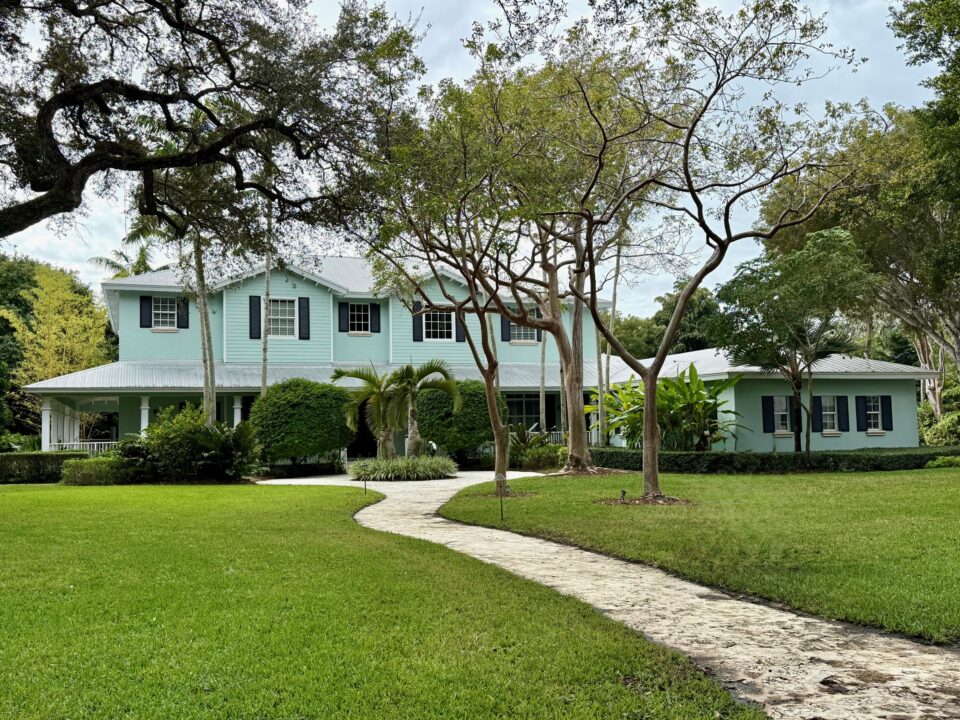
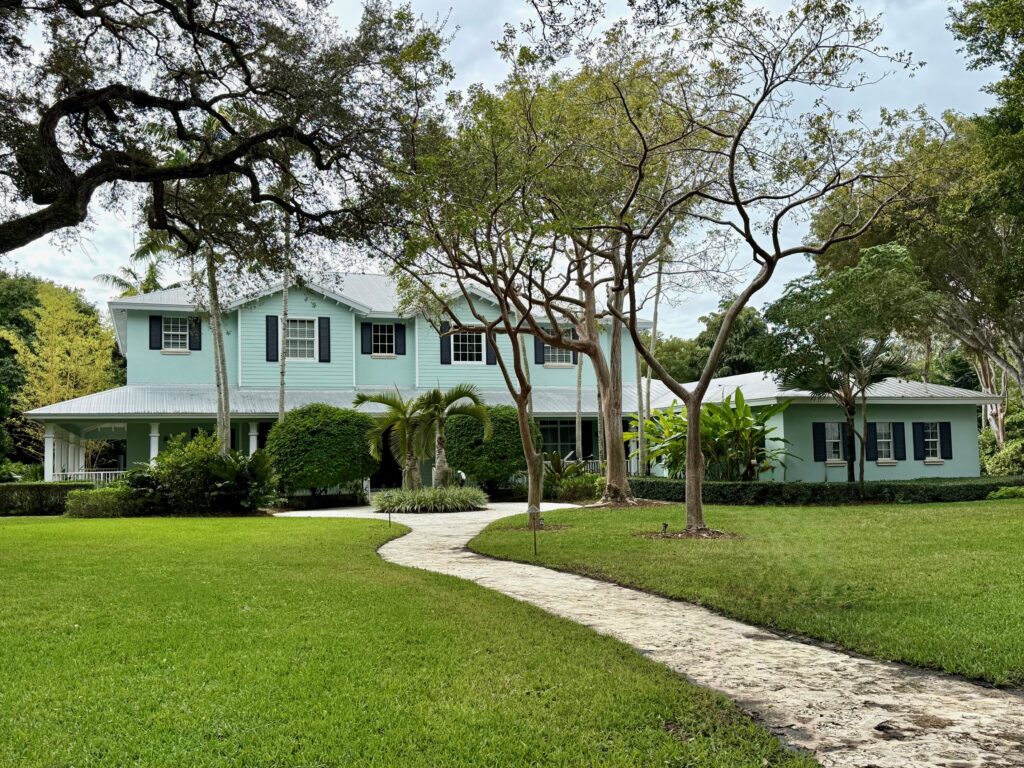
Newcomers who rely solely on online photos often misunderstand Pinecrest. The lots are larger and homes sit farther apart and set back on generous oak studded acreage. Many properties have gated entries that lead to homes that feel tucked into the landscape rather than imposed upon it. The vibe is country living at its finest. Although neighbors may be hidden behind privacy walls, you’ll run into each other dog walking, running and biking. Life in Pinecrest moves at an unhurried pace that feels timeless and grounded in the land.
Families who want great schools, privacy, space, and room to breathe appreciate Pinecrest. Others who expect a more urban feel often underestimate its serenity and retreat-like atmosphere. Those who prefer cafés and shops within steps may find it too quiet.
Palmetto Bay
Palmetto Bay combines value, space, and strong schools with a welcoming suburban feel. Parks are active with families, neighbors feel approachable, and ranch-style homes with garages and pools offer more space for the price.
Buyers often describe it as a practical, family friendly community that’s great for first-time home buyers and checks all the boxes. If you want a home in a family-centric neighborhood with affordable pricing, functional floor plans and great schools, without sacrificing lifestyle, Palmetto Bay is a wise choice. However, if commute time to Downtown Miami and Brickell is a consideration, then this community may be less desirable.
When Vibe Shapes Decisions
A relocating couple recently toured Coconut Grove, Coral Gables, Pinecrest, and Palmetto Bay in a single afternoon. On paper, all four neighborhoods met their criteria.
The moment we drove through the Grove, they noticed people walking dogs. They saw cyclists heading to school and families sitting outdoors at small cafés. It sparked a familiar sense of energy they loved from their previous city.
In Coral Gables, they appreciated the elegance but felt the structure didn’t match their more relaxed rhythm. Pinecrest impressed them with its privacy, but felt too removed from daily activities. Palmetto Bay offered excellent value, but they realized walkability and proximity to work mattered far more than they expected.
By the end of the day, their search became clearer. It wasn’t because of the homes we saw but because they understood how each neighborhood lived.
How We Help Buyers Read Neighborhood Vibe Quickly
Vibe doesn’t fit into a spreadsheet, which is why we begin with neighborhood immersion before full showing days. Our team takes clients down side streets to observe density and architecture. We also grab coffee in the Grove, check out shopping in the Gables, and visit a park in Palmetto Bay.
When appropriate, we introduce buyers to local families or community members. Often, a short conversation reveals more than a week of online research.
What Buyers Want to Know
How do I know which neighborhood vibe fits my lifestyle?
Consider how you naturally spend time at home. Do you enjoy walking to coffee, or do you prefer quiet privacy? Do you like activity around you or a slower pace? Touring multiple areas helps you identify your preferences quickly.
Is it common for buyers to change their preferred neighborhood after visiting?
Yes. Many buyers arrive with assumptions from online research. Experiencing the energy, walkability, and tempo of each area often shifts priorities.
Can neighborhoods with similar price points still feel very different?
Absolutely. Areas with similar home sizes or budgets can offer entirely different lifestyles. Coconut Grove and Coral Gables illustrate this clearly. Feeling the difference in person prevents costly misalignment later.
How important is walkability when choosing a neighborhood in Miami?
Walkability varies more than many buyers expect. It affects daily routines, social connections, and access to parks, shops, and schools.
Why do some buyers prefer larger lots even if it means less walkability?
Buyers who value privacy, space, and quiet often prioritize larger lots. Neighborhoods like Pinecrest appeal to those seeking room to breathe. In contrast, others prefer proximity to shops and cafés, even with smaller yards.
Do schools significantly affect neighborhood vibe?
Yes. Areas anchored by strong schools, like Pinecrest and Palmetto Bay, often feel more community-driven and family-focused. Parks are busier, and social ties strengthen through school-related activities.
How long does it usually take to understand a neighborhood’s authentic feel?
Most buyers gain clarity within one or two neighborhood tours. Comparing areas back-to-back quickly highlights differences and makes decision-making easier.
Discover Your Ideal Miami Neighborhood
Finding the right home isn’t just about beds, baths, or square footage. It’s about how a neighborhood feels day to day.
With years of experience guiding relocating buyers, Debra Wellins highlights the subtle differences that matter most. She helps you experience how each area lives, making your search smoother, less stressful, and far more enjoyable.
Connect with Debra today and see Miami through an insider’s eyes.