Florida’s 2026 Property Tax Amendment Tradeoffs for Pinecrest and Coral Gables Homeowners
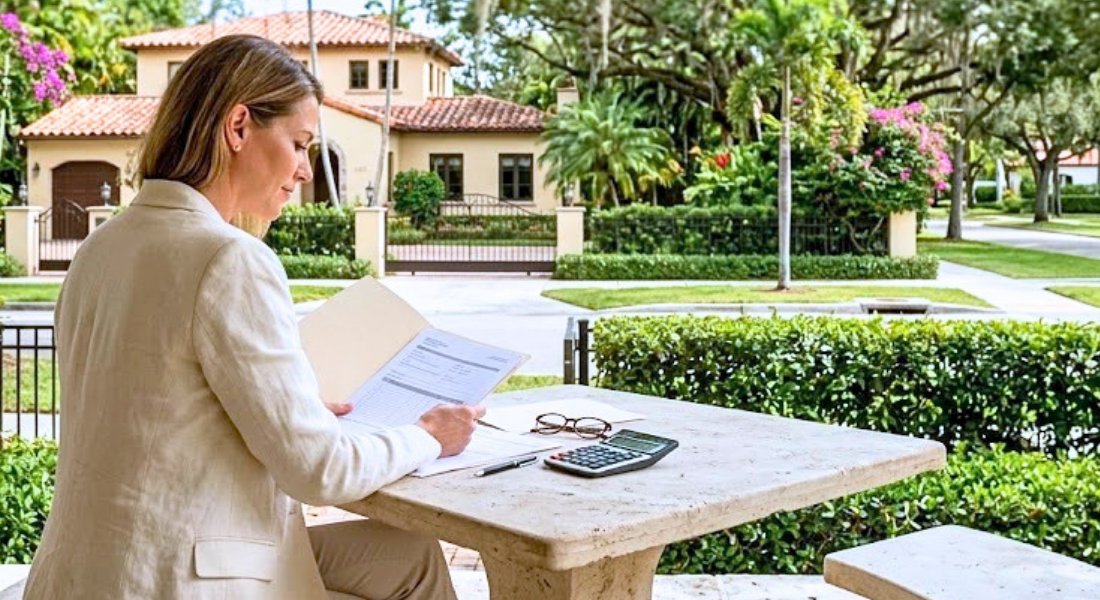
For homeowners in Coral Gables and Pinecrest, the 2026 property tax amendment puts two priorities in tension. Lower non-school property taxes could mean meaningful savings for qualifying homeowners. At the same time, the measure could reduce municipal revenue used to maintain the communities buyers are paying a premium to live in. That tension deserves a closer look before November.
Florida’s proposed 2026 property tax amendment could deliver significant savings for some homestead property owners while reducing property-tax revenue available to local governments. For Coral Gables and Pinecrest homeowners, the tradeoff is local as well as personal. Understanding both sides of the math is essential before November.
What Changes Under the 2026 Property Tax Amendment
Florida’s current homestead exemption sits at $50,000. The amendment would raise it to $150,000 by 2027 and $250,000 by 2028, then index it to inflation going forward. The existing $25,000 school exemption is carved out and stays in place. School district property taxes are not affected by the increased exemption.
On the spending side, the amendment reduces the annual assessment cap for non-homestead properties from 10% to 5%. It also restricts how counties and municipalities can use property tax revenue. Permitted uses include public safety, education, infrastructure, natural resources, bond debt, employee retirement obligations, and government operations. For local governments that depend on property tax revenue, the budget impact could be substantial.
One detail receiving less attention: people who establish a Florida homestead after December 31, 2026, would initially receive the existing exemption. The increased exemption would begin with their fifth year of exemption eligibility. Long-term residents and recent arrivals would not be treated equally under this framework. The Florida Department of Revenue administers homestead exemption rules and publishes guidance on eligibility requirements that buyers and sellers should review directly.
The Local Revenue Tradeoff for Coral Gables and Pinecrest
Both cities rely heavily on residential property tax revenue. Pinecrest has a predominantly single-family residential land base. It also has a limited commercial and industrial tax base to absorb a revenue shortfall.
Pinecrest projects losing roughly $1.5 million in year one and up to $3 million in year two. The revenue reduction could put pressure on parks, infrastructure, environmental programs, and other municipal services. Public safety is a permitted use under the amendment, but broader budget pressure could still affect how the city funds its services.
The village has already developed multiple budget scenarios to address the potential revenue loss. Options could include higher fees, spending changes, or other measures to offset the shortfall. Some revenue lost from property taxes could reappear through other charges. Homeowners who model only their tax savings may be looking at an incomplete picture.
The Florida League of Cities has also published analysis of the amendment’s potential municipal revenue impact.
Coral Gables Mayor Supports the Amendment
Coral Gables Mayor Vince Lago has expressed strong support for the amendment. He has acknowledged that it would reduce city property-tax revenue. He argues that the city can manage the financial impact through fiscal discipline and other budget decisions.
Debra has spent more than 15 years guiding buyers and sellers through Coral Gables, Pinecrest, and Coconut Grove. She takes a more personal view of the tradeoff:
“I’m on the fence about it. I live in Pinecrest and would love to reduce my property taxes. But, I don’t want my parks, library and infrastructure to suffer. Pinecrest anticipates a $1.5 million loss in the first year and up to $3 million in the second. And 70 percent of the land in Pinecrest is zoned for single-family homes. This is the majority of the village’s budget.”
— Debra Wellins, Luxury Real Estate Advisor, Berkshire Hathaway HomeServices EWM Realty
Not sure how this amendment could affect your property or selling plans? Reach out to Debra Wellins for a conversation about what is happening in these neighborhoods.
Where Property Taxes Meet Home Values
Lower carrying costs can support higher home values. When the annual cost of owning a home decreases, buyers may be able to stretch further, putting upward pressure on prices. How significant that effect would be in Coral Gables and Pinecrest is uncertain, given the many factors that influence local home values.
What is somewhat easier to predict is the other side of the ledger. If park maintenance slips or road resurfacing gets deferred, the quality of the environment buyers experience could change. Reputation is durable, but it is not permanent.
Debra has watched Coral Gables and Pinecrest through multiple market cycles and has a close perspective on how local conditions affect buyers.
“I have a feeling it’ll pass, because everybody will think very individually. They’re going to think, ‘Sure, let’s do this,’ and they’ll worry about the services later. The unprotected services like parks, libraries, roads, recreation, and community beautification are the ones that are really going to be most vulnerable. They’re going to try to shift these costs to the consumer.”
— Debra Wellins, Luxury Real Estate Advisor, Berkshire Hathaway HomeServices EWM Realty
Three Things to Consider Before November
A few questions are worth considering before you vote:
- How much would your specific property actually save? The answer varies based on your assessed value, current exemption status, and which tax line you are examining. Run the real numbers, not the headline figure.
- How dependent is your neighborhood on city-funded maintenance? Homeowners in areas where the city manages landscaping, drainage, and roads may experience service changes differently from those with strong HOA services.
- What is your timeline? If you plan to sell within the next two to five years, consider how the amendment could affect buyer perceptions alongside your own tax savings. A lower tax bill may matter less if the neighborhood’s physical environment changes.
The amendment may well pass. When a ballot measure promises a tax reduction, individual savings will naturally matter to voters. For homeowners in Coral Gables and Pinecrest, the smarter move is to understand both sides of the tradeoff before deciding. The Florida Division of Elections provides the full amendment text for anyone who wants to read the actual language before voting.
Key Questions About Florida’s 2026 Property Tax Amendment
Does Florida’s 2026 property tax amendment affect school taxes?
No. The amendment specifically preserves the existing $25,000 school homestead exemption, so the increased exemption applies only to non-school property taxes. School district property tax revenue therefore remains outside the proposed increase in the homestead exemption.
When would the expanded homestead exemption take effect in Coral Gables and Pinecrest?
The amendment phases in over two years. The exemption rises to $150,000 in 2027 and reaches $250,000 in 2028. After that, the amount adjusts annually based on inflation, so the exemption could continue changing over time.
Why is Pinecrest more financially exposed than other South Florida cities?
Pinecrest relies heavily on residential property taxes and has very little commercial or industrial tax base to offset a reduction in residential tax revenue. That limited tax-base diversity can make a reduction in homestead-related revenue more significant for the village budget.
What happens to non-homestead investment properties under this amendment?
The amendment reduces the annual assessment cap for non-homestead properties from 10% to 5%. That limits how quickly assessed values on rental properties, second homes, and commercial parcels can rise year over year. The change affects the pace of assessment increases rather than the property’s underlying market value.
How does Florida’s Save Our Homes cap interact with the expanded homestead exemption?
Florida’s Save Our Homes provision limits annual assessed value increases on homesteaded properties to 3 percent or the Consumer Price Index, whichever is lower. The proposed amendment raises the exemption amount itself. Long-term homeowners with low assessed values from years of Save Our Homes protection may see smaller savings than newer homeowners expect. Homeowners considering a move can also review how Save Our Homes and portability may affect their assessed value.
Should I talk to a tax professional before voting on this amendment?
That may be worthwhile, particularly if your property is assessed at a high value or you own non-homestead investment properties in Florida. A licensed CPA or tax attorney familiar with Florida property taxes can help model the potential impact on your specific situation. Your real estate professional can provide a separate perspective on local market conditions and buyer behavior.
Understand the Tradeoff Before You Vote
The amendment may reduce what some homeowners owe each year. It may also reduce property-tax revenue available to local governments. For homeowners in Coral Gables and Pinecrest, understanding both sides of that tradeoff is important.
If you want to talk through how the amendment might affect your specific property or selling timeline, connect with Debra Wellins. She can help you put the potential tax savings in context with what is happening in the local market.