Why Physical Staging Still Outperforms Virtual Staging in Miami
When a home isn’t receiving strong offers, price or timing is frequently the reason. But, just as often, the way sellers present their home can discourage offers.
In a slower or balanced market, buyers take their time. They pause, compare, and notice details they might have missed in a hotter cycle. That’s why physical staging continues to outperform virtual staging in Miami. It helps buyers move from curiosity to confidence and clarity.
Why Buyers Hesitate in a Balanced Market
When buyers feel uncertain, they stop imagining themselves living in the home. Instead of picturing life there, they start analyzing what feels off.
They notice awkward layouts, overly personalized décor, rooms without a clear purpose, distracting furniture or colors or outdated interiors. Once that happens, momentum disappears.
That’s one of the most dangerous outcomes for a listing. It leads to longer days on market, reduced urgency, and often forces sellers to lower their price.
What Physical Staging Changes for Buyers
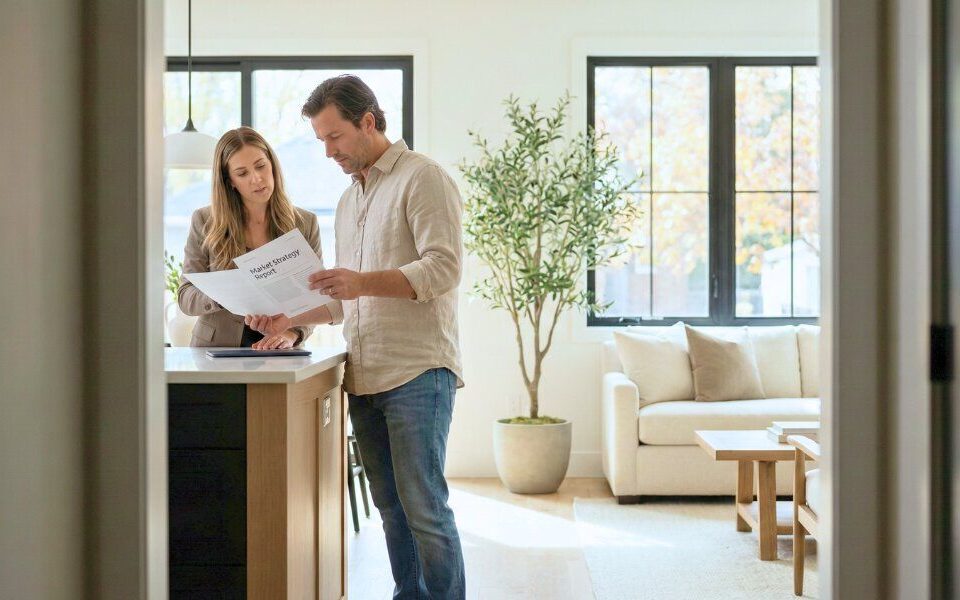
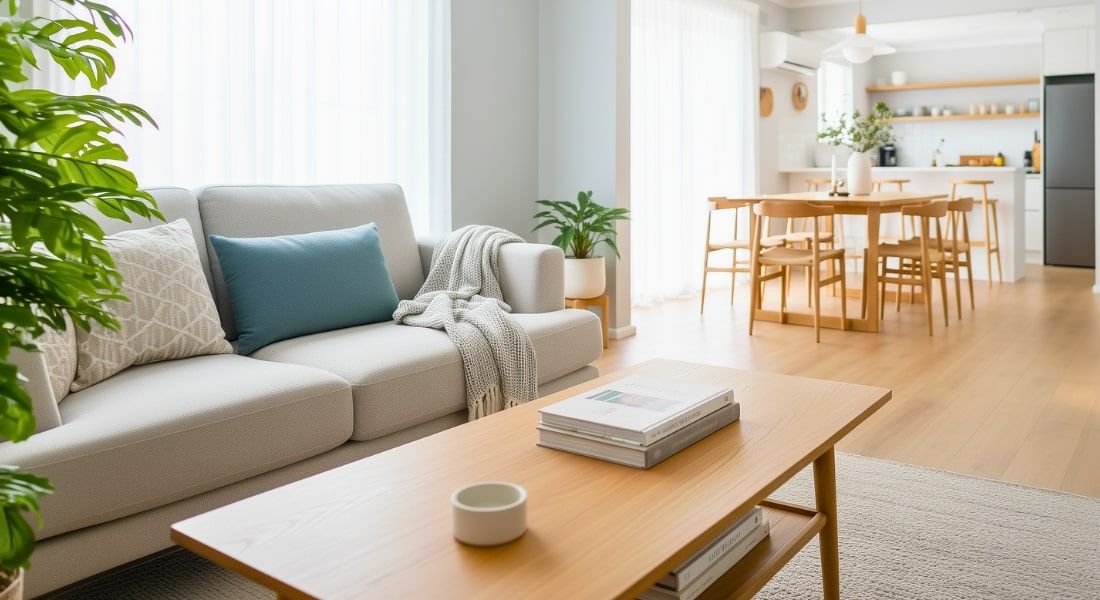
Good physical staging isn’t about decoration or trends. It’s about clarity. It shows buyers how the home functions, not just how it looks.
Effective staging shows buyers how rooms connect, where furniture fits, and how the home is lived in day-to-day. When buyers don’t have to imagine these details, they relax and make faster, confident decisions.
Staging removes friction. It shortens the gap between touring a home and the decision to place an offer.
How Presentation Shapes Buyer Decisions
Buyers make emotional decisions first, then justify them logically. Physical staging supports their emotional journey in subtle ways. It creates balance, flow, and scale that makes rooms feel purposeful instead of confusing.
In Miami, where newer or updated homes have open layouts, buyers need visual guidance to understand how their lifestyle fits with the home. Flexible spaces or indoor-outdoor living can be beautifully defined with tasteful staging. Without it, they struggle to understand how the spaces function.
Even a well-priced home looses appeal if it doesn’t excite a buyer when they walk through the front door.
Real Results from Real Listings
I see it play out regularly. It’s not just theory. Staged homes sell faster and for more money every time.
I listed a home in Pinecrest that sat on the market for two months with interest but no offers. The seller initially declined to stage it, despite my strong recommendation. The price was reasonable, but the home felt dated and disjointed.
After two months, the seller invested $8,000 in physical staging. It included light interior painting, removing dated curtains, and adding soft lighting and contemporary neutral furniture to a huge living room. The stager designed two distinct warm and inviting living spaces that wowed buyers on first impression. New photos and videos were done and the home sold within a week.
The same seller wanted to list her condo at Grove Isle in Coconut Grove. It had very dated and bulky furniture. She was so impressed with how effective staging was in her Pinecrest home, that she staged the condo without hesitation. It sold in three weeks for just under full price.
Staging often costs less than a single price reduction while delivering far stronger results.
Where Virtual Staging Falls Short
Virtual staging has one clear benefit: it can get buyers in the door.
But that’s often where the advantage ends.
When buyers arrive, and the home doesn’t match what they saw online, disappointment sets in. Trust erodes, first impressions sink, and they leave disappointed.
Even when agents label listings as virtually staged, buyers still form expectations based on what they saw. When reality and expectations do not align, confidence drops. That emotional disconnect matters more than many sellers realize.
Virtual staging may attract attention (and has value in some listings), but physical staging drives follow-through.
Why Staging Matters More to Miami Buyers
Miami buyers are often relocating, purchasing second homes, or buying from abroad. Many rely heavily on photos and videos before ever stepping inside a property.
For them, lifestyle matters as much as square footage. Flow, light, and usability shape their decisions. When the home they enter doesn’t match what they saw online, hesitation sets in immediately.
Physical staging eliminates that risk, aligning expectations with reality. Staging isn’t just about beauty. It’s about credibility.
What Level of Staging Makes Sense?
Not every home needs complete staging. Some benefit from partial staging, furniture removal, or a light refresh. Others only need one or two key spaces defined.
The right approach depends on the home, the target buyer, and current market conditions. The goal isn’t perfection but rather to provide clarity and vision.
Staging should be strategic, not reflexive.
FAQs About Physical Staging vs. Virtual Staging
Can virtual staging replace physical staging?
Virtual staging can attract attention online, but it often falls short once buyers visit in person. Physical staging shows buyers how the home actually works, helping them imagine living there.
How does staging influence buyer behavior in Miami?
Miami buyers, especially those relocating or purchasing second homes, rely heavily on photos before touring. Effective staging guides their perception, helping them feel confident and comfortable quickly. It reduces hesitation, creates urgency, and supports competitive offers.
Do all homes need full physical staging?
Not necessarily. Some properties benefit from partial staging, simple furniture rearrangement, or a refresh in one or two key spaces. The right approach depends on your home, your target buyers, your budget and current market conditions.
What areas of a home should I stage first?
Focus on spaces that have the most impact on buyers: living areas, kitchens, primary bedrooms, and key entertaining spaces. In Miami, open layouts, indoor-outdoor living areas, and flexible rooms often need extra attention.
Help Buyers Say Yes Faster
Physical staging remains one of the most effective ways to help Miami homes sell faster and command stronger offers. My team brings deep local market insight and practical staging guidance to position your home for today’s buyers.
Connect with us today to discuss a staging approach that supports your goals and helps your home stand out.