The Cost of Skipping Staging in Coral Gables
Sellers in Coral Gables, Coconut Grove and Pinecrest often believe their home will speak for itself. The furniture is familiar, the rooms feel lived in, and spending thousands of dollars to replace perfectly good sofas with rented ones seems unnecessary.
That resistance is understandable. It can also become costly when buyers struggle to connect with the property. Staging can help a home make a stronger first impression and generate more buyer interest.
Staging can influence how buyers perceive a home before they ever step inside. For sellers in Coral Gables, Coconut Grove and Pinecrest, the cost deserves to be weighed against the potential cost of weaker buyer interest. A thoughtful presentation can help a property stand out and give buyers a clearer sense of its value.
When Showings Happen But Offers Don’t
The first warning sign is foot traffic without offers. Buyers are coming through, walking the rooms, taking photos, and then going silent. That gap between interest and action can be a presentation signal.
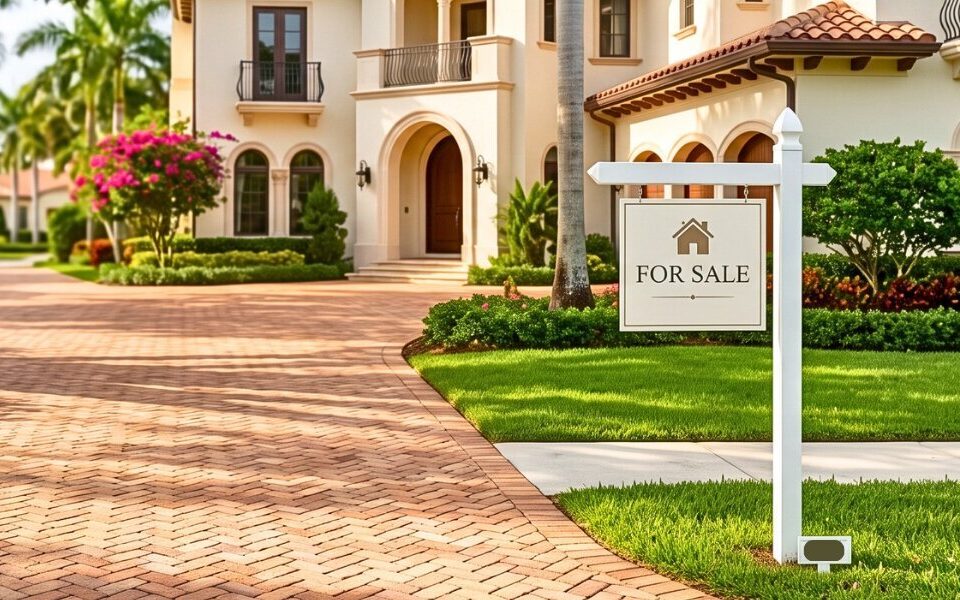
A Pinecrest home illustrated this clearly. Nearly an acre and in an excellent location, it had the kind of address buyers specifically search for in that market. The problem was the presentation.
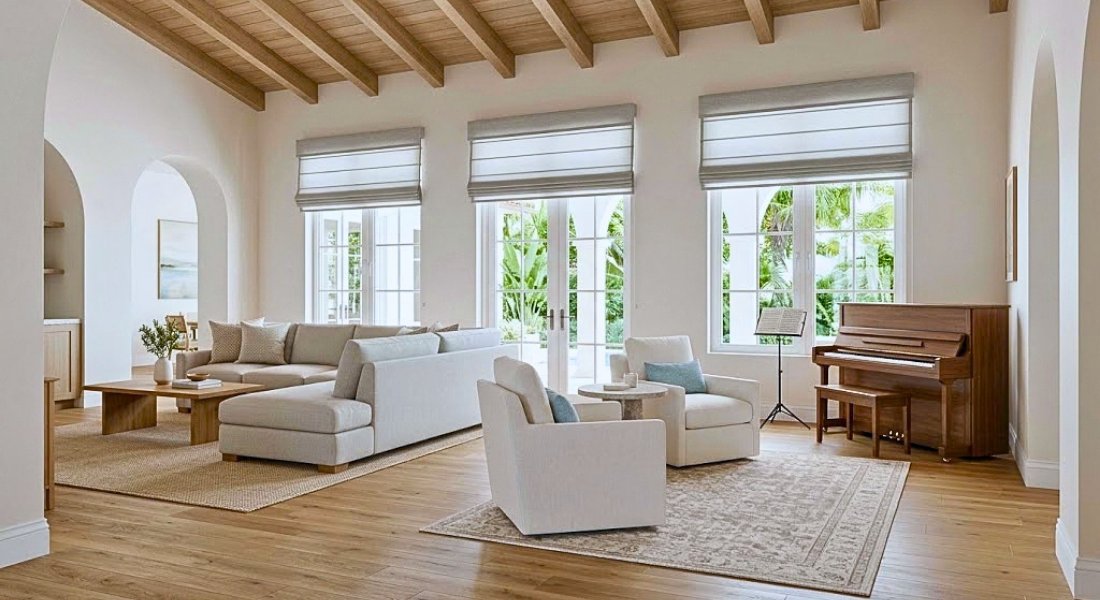
The home carried a highly personal aesthetic, while the layout read as one undifferentiated great room. Buyers walked through and struggled to picture themselves living there, resulting in plenty of showings but no offers as the weeks passed.
What the stager did went well beyond swapping furniture. That single great room became three distinct spaces: a family room, a living room, and a music area. The home suddenly had depth and definition, allowing buyers to see how they could actually live there. The house sold in a week and a half. The seller was amazed and ended up staging a second property for sale, without hesitation, shortly after closing.
The Palmetto Bay Case
The second property was in Palmetto Bay. It had less square footage and less visual appeal from the start. The home had been freshly painted and landscaped for curb appeal before listing, but it was not moving.
Staging focused on three rooms: the living room, dining room, and primary bedroom. It was a targeted investment rather than a full package.
The home went from sitting without activity to receiving an offer within two weeks. A modest price reduction accompanied the changes, but the combination worked, and the seller closed. The reaction afterward was telling: “I wish we had done this from the beginning.”
Two properties in different markets showed how targeted changes can address how buyers experience a home.
The Real Objections Sellers Have
The hesitation often comes down to money and pride. Sellers may hesitate to spend $10,000 to $15,000 upfront on furniture they do not own. Many genuinely do not see their home the way a buyer sees it. The taste is personal, the furniture is beloved, and the investment feels redundant.
Sellers need to understand the value of staging. An approach that works is leading with what the seller values most. Start by asking what they believe the home is worth and what they hope to get for it. Frame staging as a tool to reach more buyers and strengthen the property’s presentation. Listing photography should reflect a fresh, contemporary appeal that draws people in before they even set foot inside.
Rather than asking sellers to take that on faith, show them before-and-after photos from other homes that went through the same process. Seeing the transformation in a house that is not their own can make it easier to believe it could work for theirs.
Debra has guided sellers through this conversation across dozens of transactions in Coral Gables, Pinecrest, and Coconut Grove.
“I had two recent situations where there were no offers but many people looking over a couple of months. We staged and reshot photos, and in one case it sold in a week and a half. The sellers are always so shocked after the fact. They always say, ‘I wish we had taken your advice and staged from the beginning.’ There’s a resistance to spending money, but they recoup it at the end. Every time.”
— Debra Wellins, Luxury Real Estate Advisor, Berkshire Hathaway HomeServices EWM Realty
Choosing the Right Level of Staging
Working with stagers at different price points and matching the level of presentation to the property can make a meaningful difference. More moderately priced homes can work well with stagers whose inventory is accessible but still photographs beautifully. Luxury properties require a different tier, with larger pieces, greater architectural scale, and finishes that meet the expectations of buyers in that range.
Stagers typically structure pricing around a two-month base term covering the primary living spaces, with add-ons available for additional rooms, outdoor areas, and secondary bedrooms. Some stagers also offer deferred payment, collecting their fee at closing rather than upfront. That can remove one of the biggest objections sellers have to staging.
Stagers also work with sellers existing furniture by adding, rearranging or removing select pieces. This can save money in some rooms.
Not sure what level of staging makes sense for your property? Connect with Debra Wellins before you list to discuss what buyers in your market are responding to right now.
How Staging Helps Buyers See the Possibilities
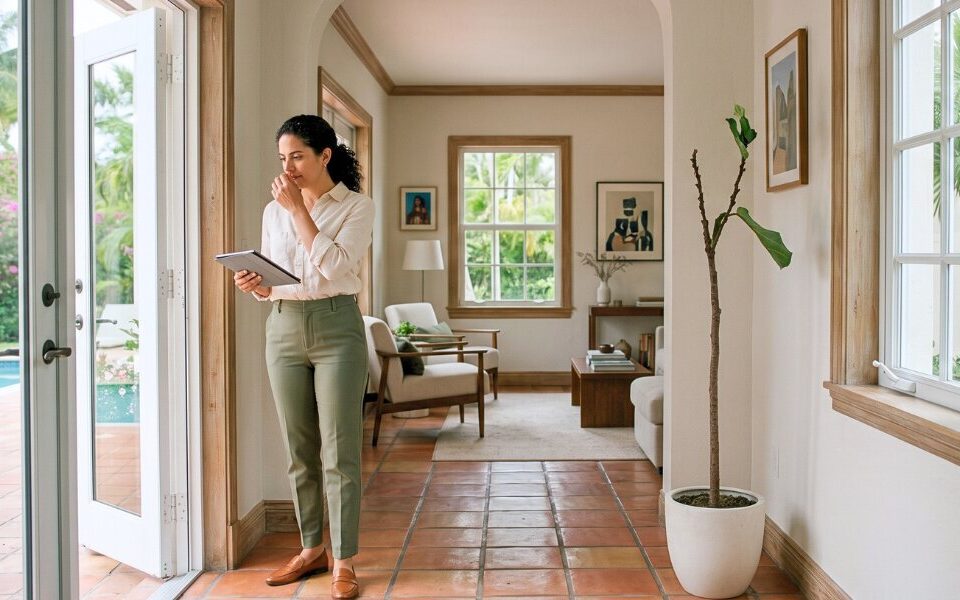
Staging is not interior design. It helps buyers see themselves in a space that currently holds someone else’s life.
When a room has no clear purpose, buyers have less context for how they might use it. When a room has definition, they can more easily imagine living there. The National Association of REALTORS® found that 83% of buyers’ agents said staging made it easier for buyers to visualize the property as their future home.
Consider a $1.5 million home. A 5 percent price reduction would mean $75,000. A staging package at $10,000 to $15,000 would be a fraction of that amount, although the right investment depends on the property.
For more context, read what Miami luxury sellers actually recover from home staging alongside the cases discussed here.
Questions Sellers Ask Before Staging
How much does home staging cost in Coral Gables and Pinecrest?
Staging costs vary by property, scope, and the level of furnishings required. For South Miami-Dade luxury properties, a full package may run $10,000 to $15,000 for the primary living spaces on a two-month base term. Targeted staging of key rooms can reduce the investment while still improving the home’s presentation in listing photography and showings. Some stagers also offer deferred payment, collecting the fee at closing rather than upfront.
Does staging increase the final sale price?
Staging can influence how buyers perceive a property and the offers they make, but there is no reliable percentage increase that applies to every home. NAR research found that 29% of sellers’ agents reported a 1% to 10% increase in the dollar value offered when staging was used. The right investment depends on the property, its condition, its price point, and the buyers it needs to attract.
What if I only want to stage part of the home?
Partial staging can focus the investment on rooms that have the greatest effect on how buyers experience the property. The kitchen, primary bedroom, and main living areas are common priorities. The right scope depends on the home’s layout, furnishings, photography, and condition. Staging every room is not necessarily required.
Why do sellers resist staging even after months without offers?
The resistance often comes down to cost and the feeling that staging is a criticism of how they live or decorate their home. Buyers, however, need to picture their own lives in the space. Professional staging can create more visual separation between the seller’s personal style and the home’s features, making that easier. The key is choosing a level of staging that addresses the property’s specific presentation issues.
How quickly can a home be staged and relisted?
The timeline depends on the property’s size, the scope of staging, stager availability, and furniture inventory. A targeted project may move faster than a full-home installation. Sellers should discuss timing with the stager before listing so photography, installation, and showings can be coordinated without rushing the process.
Will buyers know the home is staged, and does that matter?
Buyers may recognize that a home has been staged, but that does not diminish its purpose. Staging gives rooms a clear function and creates a presentation that works in both listing photography and in-person showings. The goal is to help buyers understand the space and imagine how they could use it.
Does staging help more in certain price ranges?
Staging can be useful across price points, but the approach should match the property. More moderately priced homes can benefit from furnishings that photograph well and fit the scale of the rooms. Luxury properties require pieces and finishes that meet the expectations of buyers in that market. Using a staging level that feels out of step with the property can weaken the presentation.
What does the research say about staging and days on market?
Florida Realtors reported that 49% of sellers’ agents said staging reduced the time a home spent on the market. Results vary by property, pricing, condition, and competition, so staging should be considered as part of the home’s overall marketing strategy.
Give Your Home a Stronger Start
Your home’s presentation can shape how buyers respond before they ever walk through the door. If you’re preparing to list in Coral Gables, Pinecrest, Coconut Grove, or nearby, the right staging strategy can strengthen your property’s first impression.
Connect with Debra Wellins at BHHS EWM Realty to discuss what buyers in your price range are responding to right now. Together, you can determine where staging could make the greatest difference for your property.