
How a 25-Year-Old Roof Can Affect Insurance and Closings in Miami
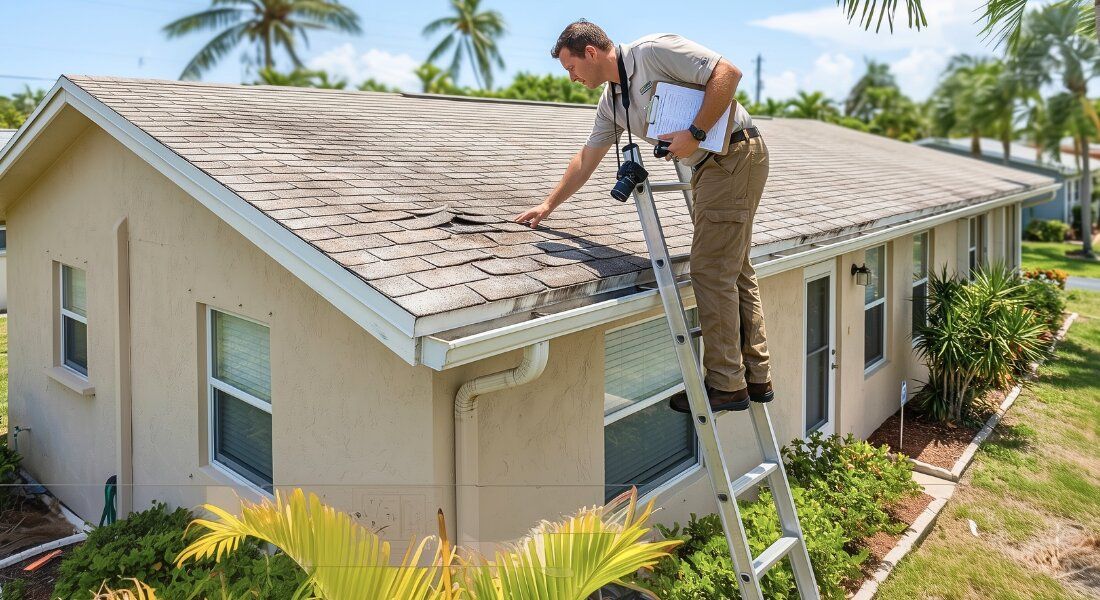
One of the biggest surprises for relocating buyers in South Florida isn’t pricing. It’s insurance.
Recently, I worked with buyers who found a home that checked nearly every box. The layout supported how they live. The neighborhood aligned with their long-term plans. A licensed inspector certified the roof as watertight and structurally sound.
There was just one issue. The roof was 25 years old.
In today’s Miami market, roof age alone can make or break insurability. And without insurance, there is no closing.
Why Roof Age Matters
In most parts of the country, conditions drive the progress of deal. If a roof is structurally sound and passes inspection, buyers move forward confidently.
In Florida, insurance carriers often draw a hard line based on age. Common thresholds range from 10-15 years for an asphalt shingled roof to 25 years for a flat or barrel-tiled roof, regardless of maintenance. Metal roofs, increasingly common in Miami, cover up to 30 or more years.
In this case:
- An inspector approved the roof
- They certified it watertight
- No leaks were present
Yet at 25 years old, most carriers would not issue a new policy. If you’re financing the property, insurance is mandatory. No insurance means no loan. No loan means no closing.
In South Florida, roof age isn’t cosmetic. It’s a financing gatekeeper.
When Condition Isn’t Enough
In most real estate markets, inspections and structural evaluations dominate the conversation.
Florida is different. Here, hurricane risk shapes insurance policies, not just wear and tear. Carriers manage exposure in a storm-prone state, so age becomes a predictable metric. A 25-year-old roof, even in excellent condition, is statistically more vulnerable than a 10-year-old roof.
The Insurance Information Institute and the Florida Office of Insurance Regulation track the state’s unique insurance pressures and storm-related claims. This broader risk landscape shapes how carriers write policies.
Many buyers don’t realize a certified roof isn’t always insurable. While the inspection and insurance conversations may be separate, they’re clearly connected.
The Buyer Reality
The buyers I mentioned earlier were relocating from out of state. In their previous market, a clean inspection report would have been enough, but in Miami, it wasn’t.
After learning the age of the roof, I advised my buyers that the roof will likely need to be replaced. We negotiated for the sellers to credit the buyers the cost of total roof replacement at closing.
But the buyers also considered the cost of adding impact windows and doors to boost coverage and long-term resilience. What initially felt like a move-in-ready home quietly became a property requiring $50,000 to $100,000 in near-term improvements.
They still moved forward, with a clear understanding of cost, a realistic plan and negotiated credits. Clarity changes everything. Surprises create stress. Transparent numbers allow for strategy.
Why Timing Matters
Two years ago, many buyers felt intense pressure to waive contingencies and rush decisions. Today, the market is more balanced. Buyers often have:
- More inventory to choose from
- More room to negotiate
- Time for second showings
- Space to review disclosures carefully
Use the extra time to inspect what matters most. Focus your second visit on major systems:
- Roof age
- Electrical panels
- HVAC systems
- Water heaters and plumbing
- Impact glass or shutters
- Flood zone designation
Resources like FEMA’s Flood Map Service Center can help verify flood zone status before your inspection period ends. The Florida Building Code also sets standards that influence storm resilience and insurance conversations.
Slow down. A methodical review of core systems can save tens of thousands of dollars and significant stress.
Certification Doesn’t Guarantee Coverage
One of the most misunderstood points in South Florida transactions is that a certified roof isn’t automatically insurable.
A roof can be:
- Structurally sound
- Leak-free
- Professionally inspected
- Certified with remaining useful life
An insurance carrier can still deny coverage if it exceeds their age guidelines. That decision isn’t emotional. It’s actuarial. Insurers evaluate portfolios of risk. If older roofs drive a large share of claims during hurricanes, underwriting rules adjust accordingly.
Before your inspection period ends, speak with an insurance broker. Confirm not just that coverage exists, but that the premium and terms make financial sense.
Protect Yourself Before You Buy
If you’re purchasing in South Florida, incorporate these steps into your process:
- Ask what year they installed the roof
- Request documentation of permits and any replacements
- Consult an insurance professional early in your inspection period
- Budget realistically for near-term system upgrades
- Negotiate credits or price adjustments when appropriate
In today’s market, safety upgrades and insurability are central to negotiations rather than secondary details. Informed offers are stronger offers, grounded in numbers rather than assumptions.
How Sellers Can Avoid Surprises
If a roof is approaching 20 to 25 years old, buyers will notice. Even when it appears well-maintained, age alone can limit insurance options.
Age-related insurance restrictions are not a reflection of pride of ownership but a consequence of underwriting guidelines.
Sellers have two primary options:
- Proactively replace the roof and market the home as insurance-friendly
- Price strategically to account for a buyer’s near-term replacement cost
Either approach can work. What often creates friction is surprise during the inspection period. Proactive transparency reduces renegotiation and late-stage stress.
Market Impact in Miami
Insurance has quietly become one of the most powerful forces shaping transactions in South Florida. Roof age, storm readiness, and structural compliance are no longer background details. They can determine whether a deal closes at all. A “good condition” roof used to signal a green light. But now, in Miami, it requires an additional layer of due diligence.
The good news is that with the right guidance, these challenges are manageable. Clear expectations allow buyers to structure smart offers, negotiate thoughtfully, and avoid last-minute disruptions.
In Miami, “perfectly good” and “good to go” are not always the same. Understanding that upfront allows for clearer decisions, which almost always lead to better outcomes.
Common Insurance Pitfalls & Answers
Can I get insurance on a 25-year-old roof in Florida?
Sometimes, but options remain few. Some carriers may require proof of remaining useful life or charge significantly higher premiums. Others may decline solely based on age.
Does a 4-point inspection guarantee coverage?
No. A 4-point inspection provides information about major systems, including the roof. Insurers still apply their own underwriting guidelines, so approval isn’t automatic.
Are tile roofs treated differently from shingle roofs?
Tile roofs often have longer expected lifespans, but many carriers still apply age caps. Always verify directly with an insurance professional.
Should I replace the roof before listing my home?
It depends on your price point and buyer pool. Often, a new roof broadens financing options and strengthens your negotiating position.
Can a lender waive the insurance requirement?
No. If you are financing, insurance is mandatory before closing. Cash buyers have more flexibility but still need to consider long-term risk and increased cost.
How early should I check insurability during escrow?
Immediately after going under contract. Do not wait until the end of your inspection period. Early confirmation prevents rushed decisions.
Take Control Before You Buy
In South Florida, roof age and insurance requirements can make or break a deal. Planning inspections, reviewing coverage, and budgeting for upgrades upfront turns uncertainty into strategy.
Partner with a local expert to confidently structure offers, avoid surprises, and protect your investment and lifestyle.
Contact us today to review your next move and act with confidence.