How You Buy a Home Shapes How Easily You Can Sell It
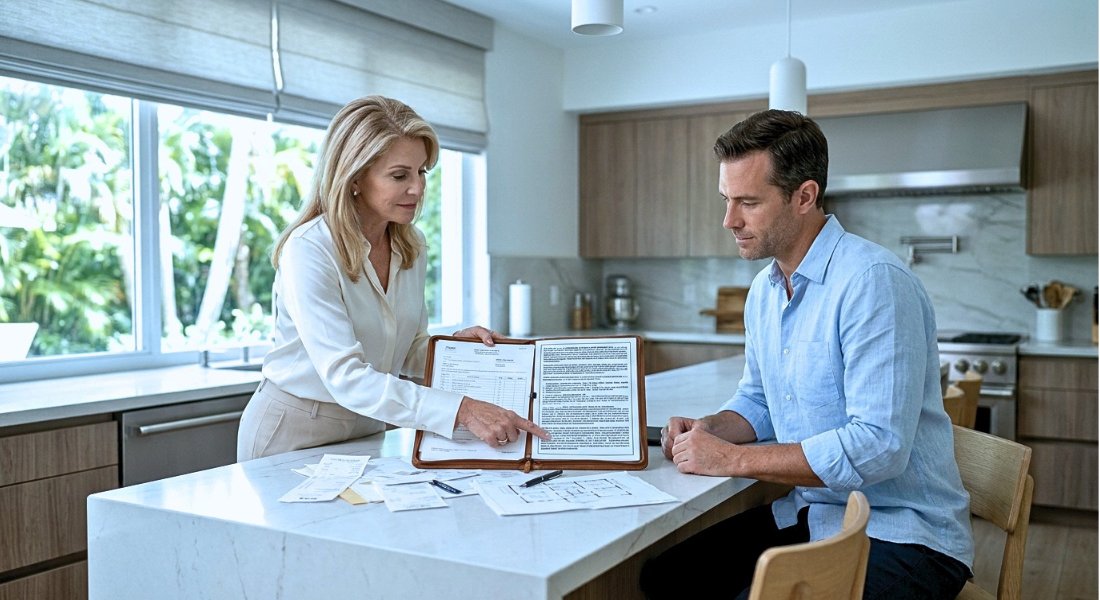
Buyers spend months thinking about what they are getting: square footage, finishes, location, the pool. They ask about the neighborhood, the schools, and HOA fees. What almost no one considers is what happens if they need to sell in two years, or two months. That gap in thinking creates resale risks that can be reduced when a home purchase is handled correctly from the start.
The paperwork behind a home purchase can affect its future marketability. Permit records, renovation documentation, and evidence of completed work help future buyers and lenders evaluate a property. Building an accurate property record during the purchase process can prevent documentation gaps from becoming obstacles when you decide to sell.
When a Seller Cannot Answer Basic Questions
A seller had purchased a fully renovated Coconut Grove home just two months earlier when a job transfer forced an unexpected move. The property was attractive, competitively priced, and appeared to be an easy listing. Yet when the home went back on the market, one problem quickly became apparent: the seller knew very little about the property’s history.
No buyer’s agent had guided the original purchase. No one had requested a permit history or documentation for the renovation work. When buyers asked questions about the pool, structural changes, and renovation dates, the answer was the same every time: “I don’t know. I just bought it.”
That phrase, repeated across inspections and buyer inquiries, quietly eroded confidence in the transaction. It was not disqualifying, but it created friction that proper due diligence could have reduced.
What a Buyer’s Agent Does During a Home Purchase
A buyer’s agent does far more than open doors and write offers. Information gathering helps buyers understand a property’s history, potential issues, and future resale considerations.
A skilled buyer’s agent asks questions that may not seem urgent during a purchase but can become critical later. These include:
- Were permits obtained for renovations or structural changes?
- Are there open permits, code violations, or unresolved liens?
- What restrictions does the HOA impose on additions or modifications?
- What is the property’s flood zone designation?
- What are the current insurance costs, and how might they change?
These questions deserve attention during due diligence. The Florida Building Code sets statewide construction standards, while local building departments oversee enforcement and permitting.
The Coconut Grove sale illustrates what can happen when buyers overlook these questions. Missing information at purchase can become a problem when the property returns to the market.
Unpermitted Work Creates Serious Resale Problems
Unpermitted renovation work ranks among the most damaging issues a seller can inherit. In Miami-Dade, including the City of Miami and Coral Gables, property owners can face penalties for work completed without required permits. Authorities may also require corrective work, regardless of who originally performed it.
When a buyer’s inspector or agent flags unpermitted work, financing complications may follow. FHA appraisals assess whether properties meet minimum requirements for safety, soundness, and security. Conventional lenders also evaluate property condition and applicable requirements. Significant unresolved violations can delay financing or require corrective action. Depending on the circumstances, the transaction could face renegotiation or collapse.
A renovation can look impeccable and still have unresolved permitting issues. Buyers need documentation to establish that the work was properly authorized and inspected.
When renovation records are incomplete, the problem can surface during a future sale. Buyers may request permits, inspection records, and proof that improvements comply with applicable requirements.
Appraisers are now requesting documentation on renovations as well.
The Resale Consequences of Buying Without Guidance
“My seller had no information about the renovation because he didn’t use a real estate agent to help him with his purchase. When it came time to sell, he didn’t have answers to a lot of questions because he didn’t ask the right questions when he purchased it. He said, ‘I don’t know, I just bought it. I don’t have any permits. I don’t have anything.'”
— Debra Wellins, Luxury Real Estate Advisor, Berkshire Hathaway HomeServices EWM Realty
With proper guidance, the buyer could have investigated the renovation history, requested available permit records, and identified documentation gaps before closing. Those questions are much easier to address during due diligence than when preparing a property for resale.
Despite the unanswered questions and documentation challenges, the home eventually went under contract. The experience shows why buyers should consider future resale implications from the beginning.
Miami-Specific Risks Buyers Should Investigate
The Coconut Grove sale is one example, but similar due diligence concerns can arise across Pinecrest, Coral Gables, South Miami, and the wider Miami luxury corridor. In fast-moving transactions, buyers can become focused on price, presentation, and timing while overlooking property records and documentation.
Miami also presents local considerations that buyers relocating from other markets may underestimate. Flood zone designations can affect insurance requirements and costs, and FEMA updates its maps as flood risks change. Buyers should check the property’s current designation through the FEMA Flood Map Service Center.
For properties governed by a homeowners association, governing documents may restrict renovations, additions, and other modifications. Buyers should review those rules before closing to understand what changes may require approval.
A buyer’s agent familiar with Miami can investigate these issues, request available records, and identify questions for inspectors, insurers, and other professionals. Addressing them early gives buyers a clearer understanding of the property and documentation they can retain for a future sale.
Due Diligence Steps to Take Before Closing
The information you gather at purchase is an asset you carry into every future transaction. Here is what that looks like in practice.
- Request a permit history before closing. Check for issued permits, open permits, inspection records, and final approvals. Buyers can search City of Miami permit histories or Miami-Dade County building records, depending on the property’s jurisdiction.
- Ask the seller directly, in writing. What work was done, who performed it, and were permits obtained? Request written answers and supporting documentation through the transaction’s disclosure process. Written records provide a useful reference if questions arise later.
- Keep your closing documents organized. Survey, title policy, inspection report, seller disclosures, and HOA documents should remain accessible. These records can help answer questions from future buyers and their agents.
- Collect renovation documentation. If the home has been renovated, request contractor invoices, warranties, permits, and final inspection records. Even partial documentation can help establish the scope and history of improvements.
- Work with a buyer’s agent who prioritizes due diligence. The role involves more than negotiating price. A knowledgeable agent helps identify questions, request records, and coordinate appropriate inspections and research.
Not sure what questions to ask before closing? Reach out to Debra Wellins before you write the offer.
Questions About Buying and Selling a Miami Home
What happens if I buy a home in Miami without a buyer’s agent?
Buyers who proceed without professional representation must handle due diligence themselves. That includes researching permit histories, checking for code violations, reviewing property records, and requesting renovation documentation. Missing information may surface later when a buyer’s inspector, lender, or agent asks questions during resale.
How do I find out if a Miami renovation was permitted?
Start with the building department responsible for the property’s location. Miami-Dade County maintains permit records for properties under its jurisdiction, while incorporated cities such as Miami and Coral Gables have their own permitting departments. Buyers can search available records by property address and request additional information when needed. Sellers should also review the permit history before listing to identify unresolved issues.
Can unpermitted work stop a Miami home sale?
Yes. Unpermitted work can delay a transaction, trigger price renegotiations, or cause a deal to fall through. Significant unresolved code violations or safety concerns may also create financing complications, depending on the property’s condition and the lender’s requirements. Buyers may request additional inspections or corrective work before proceeding.
What closing documents should every Miami homeowner keep?
Retain the title policy, survey, home inspection report, seller disclosures, HOA governing documents, and records of renovations completed after purchase. Keep permits, contractor invoices, warranties, and final inspection approvals with those records. Having this information available can help answer questions from future buyers and their agents. For additional guidance on condo documentation, see Florida Condo Buyers Must Review These Documents Before Closing.
Does Miami’s flood zone designation affect resale value?
Flood zone designations can influence insurance requirements, costs, and buyer financing. Federally regulated lenders generally require flood insurance for buildings in designated high-risk flood areas when securing a federally backed mortgage. Insurance premiums also depend on property-specific factors, so buyers should obtain an insurance quote rather than rely on the flood zone alone.
What is a seller’s disclosure, and why does it matter for buyers?
A seller’s disclosure communicates known property conditions that may materially affect its value. Under Florida law, sellers must disclose known material facts that are not readily observable and are unknown to the buyer. Buyers should review available disclosures alongside inspection reports, permit records, and other property documents. Keeping these records can help answer questions when they eventually sell.
Before You Buy, Think Like a Seller
The questions your future buyer may ask are worth considering before you purchase. Permit records, renovation history, property disclosures, and association restrictions can all affect a home’s future marketability. Addressing these details during due diligence can help prevent avoidable complications when you decide to sell.
If you are planning to buy in Coconut Grove, Coral Gables, Pinecrest, or the surrounding communities, contact Debra Wellins at BHHS EWM Realty. She can help you evaluate the property beyond its immediate appeal and consider the details that may matter at resale.