What Florida’s New Condo Safety Laws Mean for Miami Buyers Before You Make an Offer
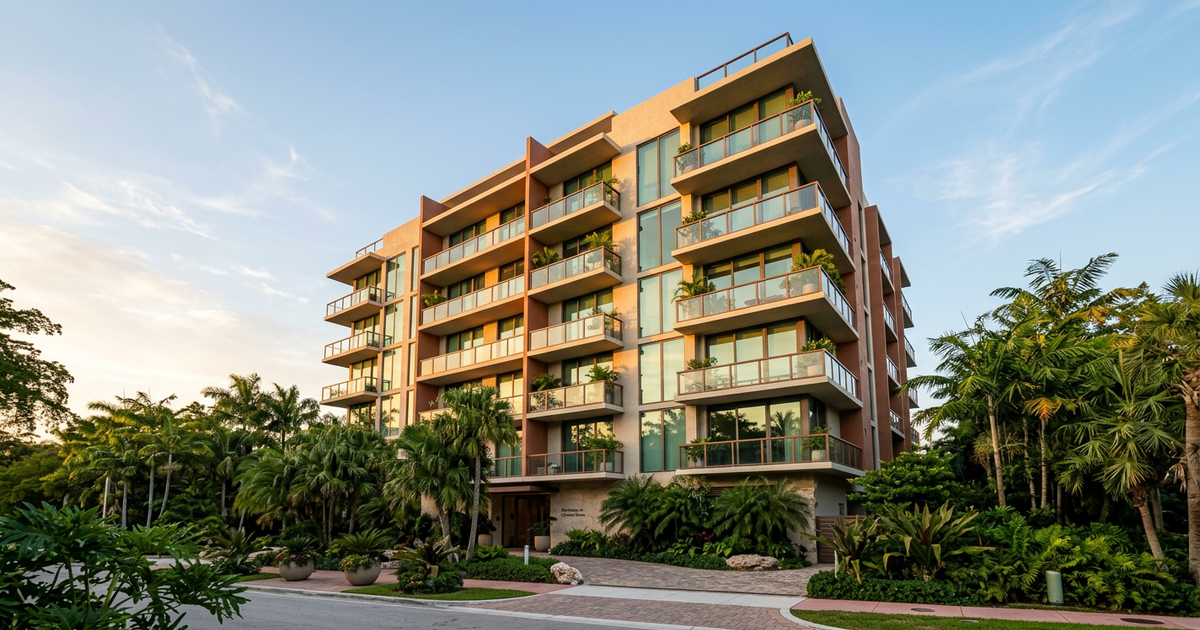
Florida’s post-Surfside condo safety reforms have changed the Miami condo-buying process in ways most buyers do not fully understand until they are already under contract. The new laws require condominium associations to fund reserves, conduct structural-integrity reserve studies, and submit to milestone inspections on a prescribed schedule. For buyers considering a Miami condo, these requirements affect monthly carrying costs, financing eligibility, and the documents that need to be reviewed before any offer moves forward.
Debra Wellins is a Luxury Real Estate Advisor with Berkshire Hathaway HomeServices EWM Realty, specializing in Miami’s most sought-after neighborhoods, including Coral Gables, Pinecrest, and Coconut Grove. With over 15 years of experience, $48M+ in sales, and recognition as the #1 closing agent in her office in 2023, she brings a calm, client-first advisory approach backed by a Master’s from FIU and a Bachelor’s from Northwestern. She holds GRI and CLHMS designations.
What Triggered Florida’s Condo Safety Reforms?
The 2021 collapse of Champlain Towers South in Surfside exposed a structural vulnerability that had been building for years. Florida law had long allowed condominium associations to waive reserve funding, a practice widespread in older Miami-Dade buildings that left associations without capital to address maintenance issues before they became crises.
The legislation that followed closed that loophole. All associations in buildings three stories or taller must now maintain fully funded reserves, commission structural integrity reserve studies, and complete milestone inspections at defined intervals. For buyers, this created two immediate realities: monthly fees have risen substantially as associations catch up on deferred contributions, and the due diligence checklist has grown longer. The Florida Division of Condominiums, Timeshares, and Mobile Homes administers and enforces these requirements statewide.
Essential Condo Documents to Review Before Making an Offer
Requesting the complete suite of governing and financial documents is crucial. Board meeting minutes for the past two to three years are equally important. These are the materials that reveal what the association knows, what it owes, and what the current asking price may not fully reflect.
A common hurdle is that many associations will not release documents until a contract is executed. That makes it critical to know exactly what to ask for and to move quickly once you are under contract. Debra Wellins has guided buyers through Miami’s most complex condo transactions for over 15 years and treats this document set as non-negotiable.
“You need to review the declaration of the condominium, the articles of incorporation, the bylaws, the rules and regulations, and the financials. Now, additionally, you want copies of all the inspection reports including the structural integrity reserve study and the milestone inspection.”
– Debra Wellins, Luxury Real Estate Advisor / Sales Associate
Board meeting minutes deserve particular attention. Active discussions about elevator replacement, pool deck work, or structural repairs often appear in those records long before a formal special assessment vote. That advance signal can reveal whether a unit is priced appropriately, or whether it carries a liability the asking price does not reflect.
Why Financing Eligibility Should Be Your First Priority
Confirm whether the building qualifies for conventional financing before you tour a unit. This is not a detail to sort out later.
Since Surfside, Fannie Mae and Freddie Mac have tightened condo project approval standards considerably. Buildings with significant unresolved special assessments, deferred critical maintenance, or non-compliant reserve funding may appear on lenders’ watchlists, making conventional financing unavailable regardless of a buyer’s creditworthiness. A cash buyer may have access to buildings that are currently unavailable to buyers with financing. That difference in financing eligibility directly affects resale value when you eventually go to sell, because the buyer pool narrows.
Not sure whether the building you are considering qualifies? Talk to Debra Wellins about the specific building before scheduling a showing. It’s the first question worth answering.
Evaluating the True Cost of Older Miami Condos
The reserve requirements have reshaped the cost-benefit calculation for older buildings throughout the city. A unit in a pre-1995 building may carry a lower purchase price than a comparable unit in a newer tower, but that comparison requires a more honest accounting of monthly carrying costs.
Many older associations have seen monthly fees double or more as mandatory reserve contributions take effect. A unit that previously cost $800 per month to carry may now run $1,500 or higher once structural integrity reserve contributions are factored in. That delta belongs in every purchase analysis, not just the offer price.
Debra frames this tradeoff directly.
“Do you want a boutique condo? Do you want water views? Do you want a new contemporary condo? Condo fees are much higher in new towers; they are roughly two thousand dollars a month or more, depending on the total square footage. Older condos have lower fees , maybe $700 – $1,000 a month. But, you have to factor in the cost of special assessments, which could add an additional $1,000/month. It comes down to your taste, needs and budget. Some people like the charm of older buildings, which are often considerably more spacious. Some prefer a modern building with great amenities.”
– Debra Wellins, Luxury Real Estate Advisor / Sales Associate
The tradeoff is real. There are some great units in Coconut Grove, Brickell, and Key Biscayne in older buildings with genuine character and great square footage that you will not find in newer towers. The issue is not avoiding those buildings. It is understanding what the documents actually say before you make a binding decision. For a broader look at what the Miami condo market looks like right now for buyers, read this overview of Miami’s current market conditions.
The Due Diligence Process Under Florida’s Condo Safety Law
Florida’s condo due diligence process now follows a more defined structure than it did before the reforms. Chapter 718 of the Florida Statutes, which governs the Florida Condominium Act, sets out the specific disclosure and reserve requirements that associations must meet. Buyers should expect the following:
Milestone inspections begin at 25 years for coastal buildings within three miles of the water and at 30 years for others. Follow-up inspections occur every 10 years. Structural integrity reserve studies must be completed by associations and must address finances to cover the cost of specific structural components and necessary improvements. Sellers are required to provide prospective buyers with a copy of association documents, but the quality and completeness of what is provided varies considerably by building.
That variability is exactly why an experienced buyer’s agent matters. Knowing which documents to request, reading what they contain, and identifying gaps in disclosure are skills that protect buyers from buying into a building’s deferred problems at full price. For buyers who want to understand how insurance intersects with this due diligence process, this piece on Miami’s insurance and financing connection covers the overlap.
Frequently Asked Questions
What is Florida’s condo milestone inspection requirement?
Florida now requires condominium buildings to undergo milestone inspections once they reach 30 years of age, or 25 years if the building sits within three miles of the coastline. After the initial inspection, buildings must complete follow-up inspections every 10 years. The inspection evaluates structural integrity and identifies maintenance or repair needs the association must address.
What is a structural integrity reserve study?
A structural integrity reserve study (SIRS) is a financial analysis that assesses whether a condominium association has sufficient funds to cover the costs of major structural repairs and capital improvements. Florida law now requires associations to complete these studies and fully fund reserves for critical structural components, replacing the previous practice of allowing associations to waive these contributions.
Can older condo buildings in Miami still be financed?
Some can, and some cannot. Since Surfside, Fannie Mae and Freddie Mac have placed buildings with unresolved special assessments, deferred maintenance, or non-compliant reserve funding on watchlists that disqualify them from conventional financing. Before making an offer on any older building, confirm financing eligibility with a lender familiar with South Florida’s condo market.
How do I find out if a condo building has a special assessment coming?
Request board meeting minutes for the past two to three years. Active discussions about structural repairs, mechanical replacements, or capital projects often appear in the minutes before a formal special assessment vote. Those records give buyers an early read on costs the current asking price may not reflect.
How much have condo fees increased under the new Florida law?
Increases vary by building, but many older associations have seen monthly fees double or more as reserve funding requirements take effect. A unit that carried $800 per month in fees may now run $1,500 or higher. The actual figure depends on the building’s reserve study findings and the scope of deferred maintenance the association must now fund.
What documents should I request before making an offer on a Miami condo?
At a minimum, request the declaration of condominium, articles of incorporation, bylaws, rules and regulations, finances, reserve study, structural integrity reserve study, and any applicable milestone inspection reports. Board meeting minutes are also worth requesting to identify repair discussions that have not yet resulted in a formal assessment.
Does the Florida condo safety law apply to all buildings?
The reserve funding and structural integrity requirements primarily apply to buildings three stories or higher. However, the milestone inspection requirement and the broader shift in lender scrutiny affect a wide range of buildings throughout Miami-Dade. Buyers should confirm the specific requirements that apply to any building they are evaluating.
How do the new condo laws affect resale value in Miami?
Buildings that comply with reserve requirements and pass milestone inspections maintain stronger financing eligibility, which broadens the pool of potential buyers at resale. Buildings with ongoing special assessments, watchlist status, or deferred structural work carry additional risk that can suppress both buyer demand and achievable prices.
What Miami Condo Buyers Should Do Before Going Under Contract
Miami buyers evaluating any building over 25 years old, and especially anything near the water, should expect a more intensive due diligence period than they would encounter in most other markets. This is not a reason to avoid older buildings; rather, it highlights the importance of working with an advisor who knows which documents to pull, how to read them, and how to use the findings in a negotiation.
The documents exist. The data is available. The key is working with an agent who knows to request them before the contract is signed, rather than after. If you are looking at a specific building in Coconut Grove, Coral Gables, Brickell, or Key Biscayne and want to understand what the reserve requirements and inspection history mean for that decision, contact Debra Wellins at BHHS EWM Realty before you go under contract.