Why Miami Homeowners Aren’t Selling with Low Inventory
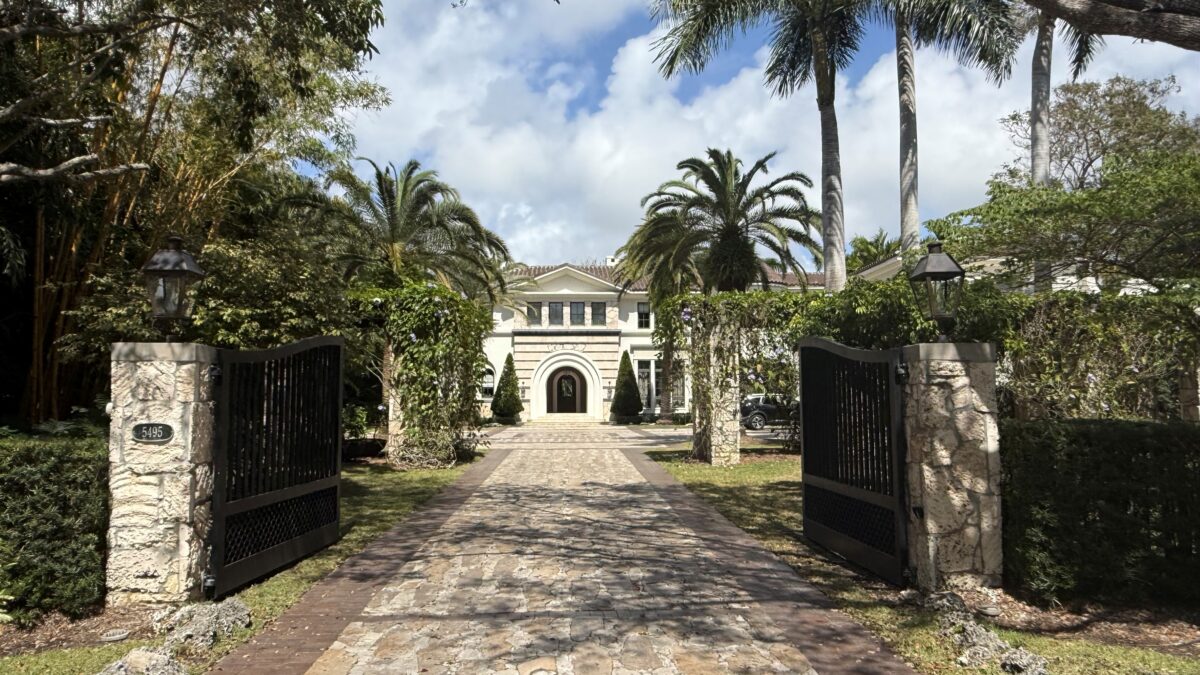
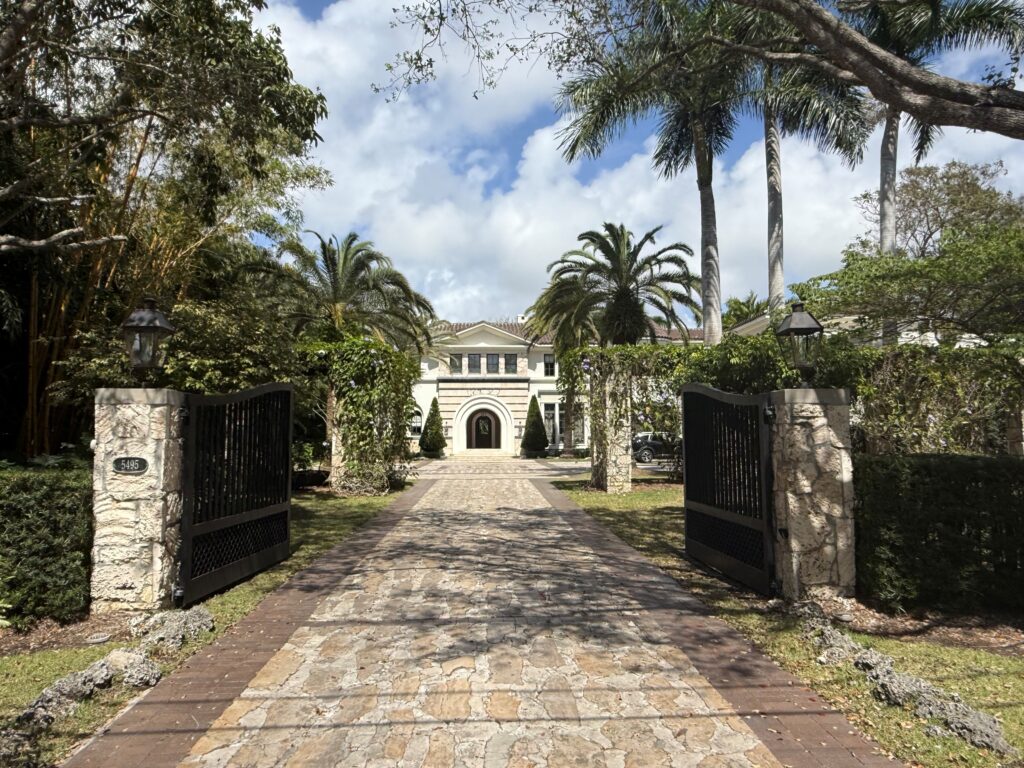 Miami’s luxury home inventory shortage is market-wide, and buyers searching in Coral Gables, Coconut Grove or Pinecrest are feeling it every week. The best properties disappear quickly when priced and presented well from the get go. The reason is not a hot streak or seasonal timing. Two specific financial forces are trapping owners in their homes, and once you understand them, your entire approach to this search changes.
Miami’s luxury home inventory shortage is driven by two structural forces: Florida’s property tax reset punishes long-term homeowners the moment they sell, and mortgage rates locked in near 3% between 2020 and 2022 make moving financially irrational for most owners. Buyers who understand this dynamic can stop waiting for the market to open up and start pursuing the strategies that actually work right now.
Why Are the Best Homes Staying Off the Market?
This question catches many buyers off guard, especially those arriving from New York or California. The assumption is that sellers in Coral Gables, Coconut Grove and Pinecrest are sitting on substantial equity and have every reason to cash out. That is true. Equally true is that selling exposes them to a financial double penalty that most buyers fail to consider.
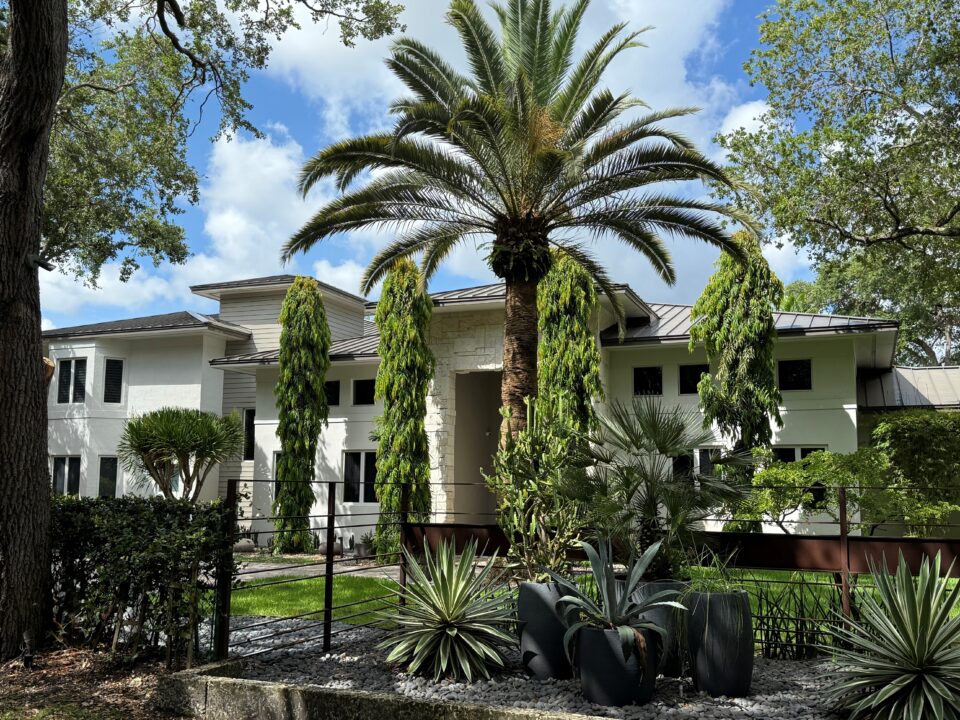
The homeowners sitting on acre Pinecrest properties and estates in Coconut Grove and Coral Gables are making a rational financial calculation to stay put. What’s holding them in place? Understanding both will completely reframe how you approach your search.
What Is the Property Tax Reset Really Costing Sellers?
Florida’s property tax system creates a dynamic that catches nearly every out-of-state buyer off guard. When a property changes hands, the assessed value resets to the current market value under Florida Statutes governing homestead assessment limitations. For a seller who has owned their home for a decade or more, their taxable value may sit dramatically lower than what the home would fetch today, a gap created by the homestead exemption and the Save Our Homes assessment cap administered by county property appraisers across Miami-Dade.
The moment they sell, that protection disappears. They purchase their next home, and the tax bill reflects current market pricing in full. On a home in the $2 million to $4 million range, that reset can add $30,000 or more in annual property taxes compared to what they pay now. So unless a life event demands a move, retirement, a job relocation, a divorce, or an empty nest, the math says stay. And most of them are staying.
This is not a temporary quirk. Florida’s Save Our Homes amendment has been law since 1995, limiting annual assessed value increases to 3% or the rate of inflation, whichever is lower, for homesteaded properties. The longer someone holds a home in an appreciating market, the larger the gap between their current tax bill and what a new owner will pay. That gap is now significant across Coral Gables, Pinecrest, and Coconut Grove. There is one aspect of the Save our Homes protection that offsets some of this cost called Portability.
Portability
Homeowners can transfer (or port) the difference betweent the assessed and market values from their previous homestead property to another homestead property up to $500,000 within the state of Florida. If a home has a higher or equal market value you can transfer the entire accumulated assessment difference. If the new home has a lower market value, you can transfer a percentage of you previous savings.
How Are Low Mortgage Rates Locking Sellers in Place?
The second force is one you have likely heard discussed nationally, but it hits Miami’s luxury segment in a specific way. A large share of today’s homeowners locked in mortgage rates near 3% during the 2020 to 2022 period, when rates hit historic lows amid the COVID-19 pandemic. The Federal Housing Finance Agency has tracked the distribution of outstanding mortgage rates, and the concentration of sub-4% loans remains substantial.
These are not recent buyers. These are people who have been in their homes for five or six years (or longer), have built considerable equity, and hold a rate that may never exist again in their lifetime. Selling means voluntarily trading that 3% for whatever today’s market offers. Then layer the property tax reset on top, and the financial case for staying becomes nearly airtight.
Moving is not just emotionally difficult for these sellers. It is financially punishing in a way that has no real parallel in recent memory.
I have watched this dynamic unfold across Coral Gables, Pinecrest, and Coconut Grove and I advise buyers through Miami’s most competitive neighborhoods. I work in this market, which gives me the kind of granular, street-level perspective that turns confusing conditions into a clear picture of what buyers are actually up against.
“Most of these owners either paid off their mortgate or are sitting on rates around 3 percent. They locked those in years ago, and there is no reason for them to give that up. Moving means trading that 3 percent for today’s rates plus a bigger tax bill. It is not that nobody wants to sell. It is that the math is keeping good sellers exactly where they are.” – Debra Wellins, Luxury Real Estate Specialist / Sales Associate
Not sure how to position yourself in a market with this little inventory? Connect with me about what is actually available in the neighborhoods you are targeting before you spend another day searching on your own.
What Does Low Inventory Actually Mean for Buyers Right Now?
It means the rules of engagement are different. Waiting for inventory to loosen on its own is a strategy built on hope. Hope is not a plan in this market.
Homes that do come to market in Coral Gables, Pinecrest, and Coconut Grove tend to sell quickly, often without much room for negotiation. What moves the needle for buyers in this environment is preparation and positioning: pre-approval in hand, a clear picture of your non-negotiables versus your preferences, and an advisor who knows which doors to knock on before a listing goes public.
Off-market and pre-market conversations are where real opportunity lives right now. Sellers who are financially constrained from moving publicly sometimes respond to a different kind of conversation, one that addresses their concerns directly rather than asking them to absorb a massive financial hit. That conversation requires deep neighborhood relationships and a genuine understanding of what a seller actually needs to say yes. For a closer look at how this kind of preparation pays off, see How Financed Buyers Can Win Against Cash Offers in Miami’s Luxury Market.
Will Miami’s Luxury Inventory Shortage Eventually Break?
Rate environments change. Life circumstances shift. Tax strategies evolve. At some point, the lock-in effect loosens and more of the homes sitting quietly off the market will become available. But that shift is unlikely to happen all at once, and when it does come, demand will still be strong.
Miami’s luxury market carries structural tailwinds that are not going away: no state income tax, continued migration from high-tax states, and global demand that treats South Florida as a stable, appreciating asset class. The Miami-Dade County Property Appraiser publishes annual assessment data that consistently reflects this appreciation pattern across the county’s most desirable neighborhoods. The shortage is real. It is also navigable with the right guidance and the right relationships on the ground.
Frequently Asked Questions
What is causing Miami’s luxury home inventory shortage?
Two structural forces are keeping owners in place. Florida’s Save Our Homes assessment cap protects long-term homeowners from rising property taxes, but that protection disappears the moment they sell and buy again. At the same time, many owners locked in mortgage rates near 3% between 2020 and 2022. Trading that rate for today’s rates, then absorbing a full property tax reset on the next purchase, makes selling financially punishing for anyone without a compelling reason to move. For a detailed look at how sellers are navigating this, I break it down in “Why Miami Move-Up Sellers Are Finally Walking Away From Their Low-Rate Mortgages.”
What is the Save Our Homes cap, and how does it affect Miami sellers?
Florida’s Save Our Homes amendment limits annual increases in a homeowner’s assessed value to 3% or the rate of inflation, whichever is lower, as long as they maintain the homestead exemption. On a home that has appreciated significantly over ten or more years, the gap between the assessed value and the current market value can be enormous. When the home sells, the new owner’s assessed value resets to full market value, and the former owner loses that cushion on whatever they buy next.
Are off-market homes a realistic option in Miami’s luxury segment?
Yes, and they represent some of the most meaningful opportunities available to buyers right now. Sellers who are reluctant to list publicly because of the financial penalties involved sometimes respond to direct, private conversations. Reaching those sellers requires an advisor with established neighborhood relationships and a real understanding of each owner’s specific situation.
Should I wait for more inventory before starting my search?
Waiting is a valid choice only if your timeline is genuinely flexible. The structural forces keeping Miami’s luxury home inventory low are not disappearing in the short term. Rate environments do shift, and life events create forced sales, but relying on a broad market loosening means competing with every other buyer who has been waiting for the same thing. Preparation and positioning now tends to produce better results than patience alone.
How quickly are luxury homes selling in Coral Gables, Coconut Grove and Pinecrest?
Homes priced accurately in Coral Gables, Coconut Grove and Pinecrest are moving quickly, frequently with limited negotiating room. The homes that linger tend to be overpriced relative to their condition or their specific location within the neighborhood. Understanding the difference between a property sitting because of price versus one sitting for other reasons requires block-by-block knowledge of how each micro-market is performing. Debra covers the pricing dynamics driving this in Overpricing Your Miami Home Costs More Than You Think.
What should a buyer do to compete when inventory is this tight?
The fundamentals matter more than ever. Full pre-approval rather than pre-qualification. Clarity about which features are truly non-negotiable versus which are preferences. An advisor with access to pre-market and off-market conversations. Buyers who arrive fully prepared and can move decisively when the right property appears consistently outperform buyers who are still getting organized when the opportunity surfaces.
Does the inventory shortage affect all Miami luxury neighborhoods equally?
No. Inventory levels, days on market, and pricing dynamics vary meaningfully across Miami’s luxury corridor. Coral Gables, Pinecrest, and Coconut Grove each behave differently, and conditions within each neighborhood can vary by street and price band. A generalized view of the Miami luxury market will not give you the specificity you need to make a confident decision.
What happens to Miami’s luxury market if mortgage rates drop significantly?
A meaningful rate drop would likely unlock some of the inventory that rate lock-in is currently holding off the market. It would also bring more buyers back into activity simultaneously, which means any inventory gains could be absorbed quickly. Miami’s underlying demand drivers, including the absence of a state income tax, domestic migration from high-tax states, and sustained international interest, would continue to support prices even as more supply enters the market.
Ready to Stop Searching and Start Finding the Right Home?
The Miami luxury home inventory shortage is not going to fix itself quickly, but it is navigable if you know where to look and how to position yourself. The opportunity right now is not in waiting for the market to open up. It is in having the right conversations before a property ever reaches a public listing.
Schedule a consultation with Debra Wellins to get an honest picture of what is actually available in Coral Gables, Pinecrest, Coconut Grove, and the neighborhoods that matter most to you. When the right property appears, you want to already be in motion.
ABOUT THE AUTHOR
Debra Wellins is a luxury real estate advisor with Berkshire Hathaway HomeServices EWM Realty, specializing in Miami’s most sought-after neighborhoods including Coral Gables, Pinecrest, and Coconut Grove. With over 15 years of experience, $48M+ in sales, and recognition as the #1 closing agent in her office in 2023, she brings a calm, client-first advisory approach backed by a Master’s from FIU and a Bachelor’s from Northwestern. She holds GRI and CLHMS designations with recognition as a BHHS EWM Realty Chairman’s Club honoree. .