Coconut Grove Inventory Is Razor Thin and Buyers Need a Plan

Searching for a home in Coconut Grove means competing for a short list of available options. Well-priced, move-in-ready homes can attract strong interest soon after listing. Buyers arriving from New York Chicago or California may quickly understand the Grove’s appeal. The bigger surprise is how little room there is to hesitate once the right home appears.
Coconut Grove inventory remains tight, with several factors limiting the number of homes coming to market. Rate-locked owners, homestead tax considerations, and rising insurance costs may influence seller decisions. Buyers who understand these dynamics can prepare before the right property appears. Secured financing, clear priorities, and realistic per-square-foot expectations help buyers move quickly when opportunities arise.
What Makes Coconut Grove Stand Apart
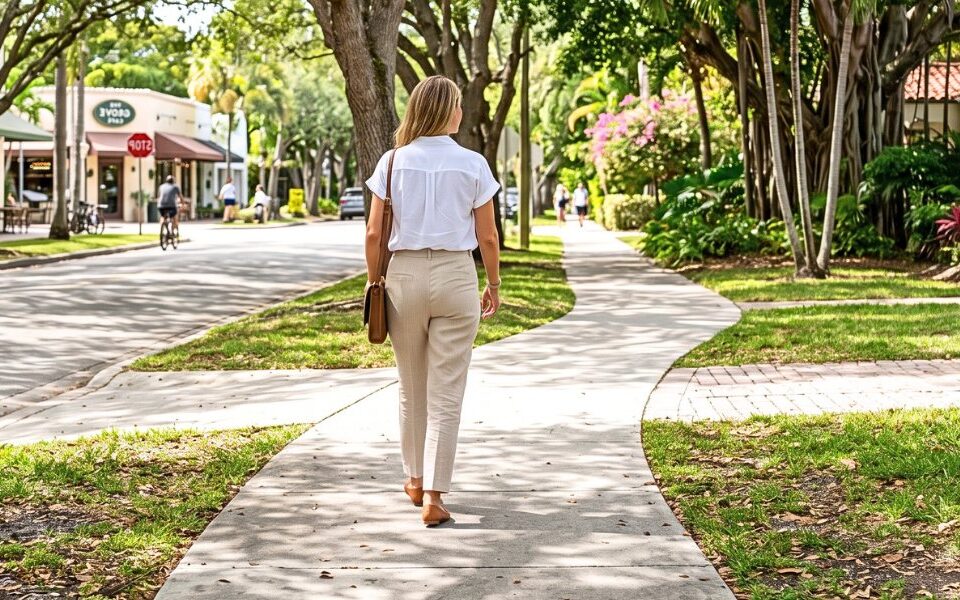
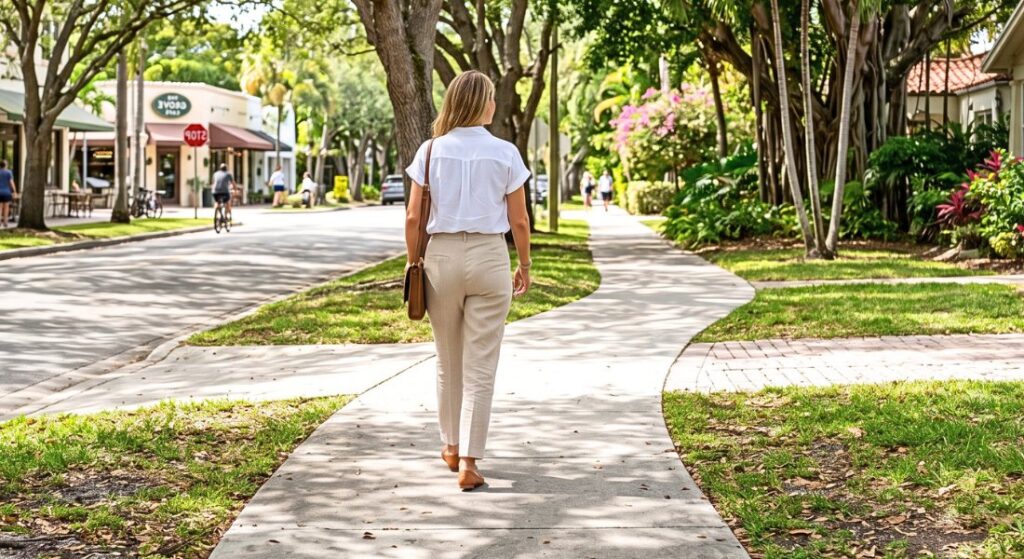
Coconut Grove is not the most obvious choice for Miami buyers. Many arrive uncertain about buying in Coral Gables, Pinecrest or Coconut Grove. But the Grove quickly steps into first place. North Grove and South Grove offer single-family homes and established townhouse communities. The central village also brings restaurants, boutiques, sailing clubs and bayfront parks into everyday life. The area’s walkability is one of the neighborhood’s defining characteristics.
Walkability is more than a lifestyle preference. It can also influence buyer demand and property values. Coconut Grove’s central areas offer convenient access to shops, restaurants, parks, and the waterfront. Current market commentary identifies walkability as a major factor behind the neighborhood’s growing appeal.
That appeal is particularly relevant for buyers relocating from dense, walkable cities. Buyers from New York and Chicago may recognize a familiar lifestyle while gaining warmer weather and easier access to the water. Strong demand matters in a market where available homes remain limited.
For buyers comparing the Grove with Coral Gables, the differences in lifestyle, location, and housing options are worth considering. Coconut Grove compares to Coral Gables offers a broader look at those tradeoffs.
Why Inventory Is So Low
The shortage is not unique to Coconut Grove, but it is particularly noticeable because demand remains strong. Several factors are keeping homes off the market at the same time.
- Mortgage-rate lock-in: Many longtime owners locked in mortgage rates in the 3% range in 2020 and 2021. Trading those rates for today’s higher rates can mean a significantly larger monthly payment. That difference can discourage owners who have no compelling reason to move.
- Homestead tax protection: Florida’s Save Our Homes provision generally limits annual increases in a homesteaded property’s assessed value to 3%. When a homesteaded property changes ownership, the buyer’s assessed value is generally reset based on the property’s just value. A long-term owner moving to another Coconut Grove property may still face a higher tax bill, even when portability applies.
- Insurance costs: Elevated insurance premiums have become a genuine deal variable across South Florida. Those costs can make sellers more cautious about buying another property. Buyers also need to account for insurance costs when evaluating the total cost of ownership.
Buyers respond differently to limited inventory. Well-priced homes in good condition can attract strong competition, while overpriced or dated properties may sit longer.
What New York and Chicago Buyers Need to Know
Relocation buyers often arrive with one of two misconceptions. They either expect Miami to feel like a sprawling suburb or assume walkable urban living exists only in Brickell and downtown. Coconut Grove challenges both expectations.
The Grove offers a walkable city center, tree-canopied streets, and established neighborhood character. It also keeps residents close to Brickell, Coral Gables, and major Miami employment centers.
The bigger challenge for relocation buyers is preparing before they arrive. Buyers who have financing secured and priorities clearly ranked are better positioned to act when the right property appears. Understanding why relocation buyers often stall at the finish line can help prevent delays before the search begins.
Planning a Coconut Grove search from out of town? Connect with Debra Wellins to work through neighborhood tradeoffs and timing before your search begins.
Why Coconut Grove Sellers Are Staying Put
After more than 15 years working in Miami’s luxury corridor, Debra has seen these dynamics shape seller behavior firsthand.
“Coconut Grove is the hottest community right now. Everybody wants to live there. Grovites aren’t selling if there’s no incentive to move, such as a job change, retirement, financial need or downsizing. They’re sitting tight, especially if they bought during COVID in 2021 and locked in a sweet 3% rate. The cost of moving, the comfort of a super low interest rate and love of Coconut Grove keeps homeowners from selling.”
— Debra Wellins, Luxury Real Estate Advisor, Berkshire Hathaway HomeServices EWM Realty
That pattern, with sellers holding below-market financing until a major life event, is structural and unlikely to change quickly. Buyers who treat Coconut Grove’s limited inventory as a temporary condition may find themselves waiting longer than expected.
How Serious Buyers Can Win
Tight inventory does not make a Coconut Grove search impossible. It simply requires a smarter approach. Serious buyers need a clear budget and realistic expectations about what their money can buy in different parts of the Grove.
Walkability, square footage, privacy, and location all affect value. Buyers also need to account for the condo landscape and micro-location differences when deciding which properties are worth pursuing.
Clear priorities and realistic expectations help buyers make decisions faster when the right property appears. Preparation puts buyers in a stronger position when opportunities emerge.
An advisor who knows those distinctions at the street level can help buyers evaluate opportunities more effectively in a market this compressed.
Answers to Common Coconut Grove Buyer Questions
Why is Coconut Grove inventory so low right now?
Coconut Grove inventory is constrained by several factors, including low-rate mortgages held by longtime owners, Florida’s homestead tax structure, and rising insurance costs. These factors can keep potential sellers on the sidelines while demand remains strong. For a broader look at Miami’s inventory shortage, see Why Miami Homeowners Aren’t Selling with Low Inventory.
How does Coconut Grove’s walkability actually affect home prices?
Walkability can influence buyer demand and property values, particularly around Coconut Grove’s central village. Buyers should compare recent sales with similar homes in nearby micro-locations rather than relying only on neighborhood-wide averages. Location, lot size, condition, privacy, and proximity to shops and restaurants can all affect value.
What should relocation buyers from New York, Chicago or California know before searching in Coconut Grove?
Buyers from New York, Chicago or California should expect a more neighborhood-oriented version of Miami than they may initially anticipate. Financing should be secured before the search begins, with priorities clearly ranked. Buyers should also compare pricing at the micro-location level rather than relying only on neighborhood-wide averages.
How does Florida’s homestead exemption affect Coconut Grove sellers?
Florida’s Save Our Homes provision generally limits annual increases in a homesteaded property’s assessed value to the lower of 3% or the applicable CPI change. When a homesteaded property changes ownership, the property is generally reassessed at just value. Florida’s portability rules may allow an owner moving to another Florida homestead to transfer some or all of the accumulated Save Our Homes benefit. How to Calculate Your Real Estate Tax Portability When Downsizing Homes explains how that benefit can apply when moving to another property.
Are condos in Coconut Grove a good option when single-family inventory is tight?
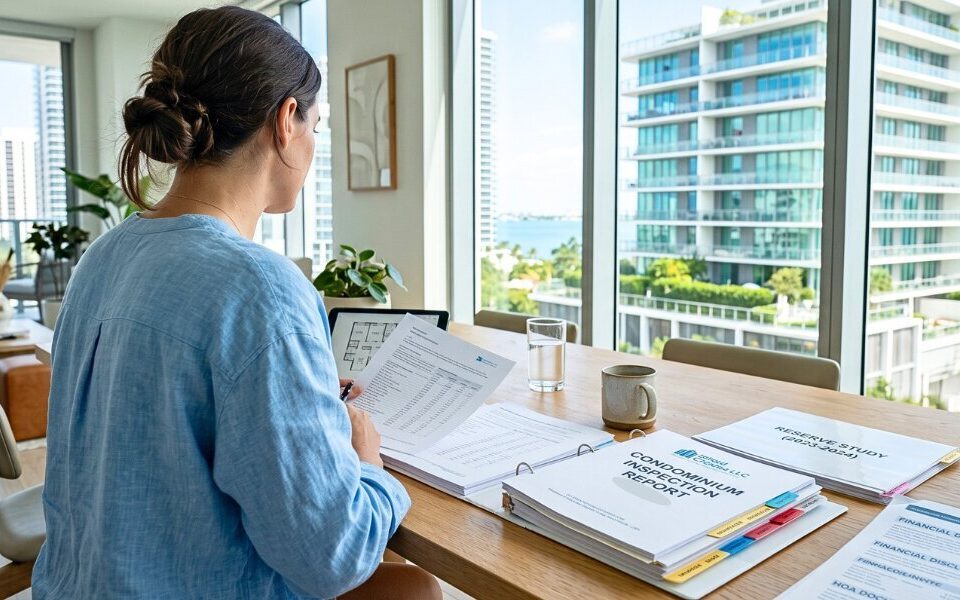
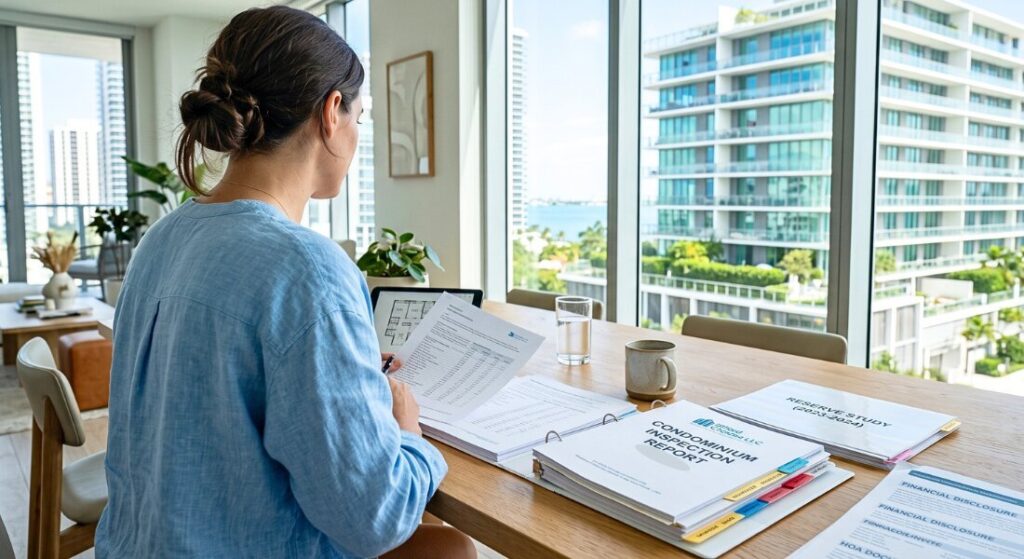
Condos can offer another path into Coconut Grove when single-family options are limited, but they require additional due diligence. Florida law now requires qualifying condominium buildings to meet milestone inspection and structural reserve requirements. Buyers should review association financials, reserve funding, pending assessments, and applicable inspection reports before committing. Florida Condo Buyers Must Review These Documents Before Closing explains what to request and why.
What is the difference between North Grove and South Grove for buyers?
North Grove generally offers closer access to Brickell and Downtown Miami and includes the townhouse community. South Grove offers more magnificent lush streets and properties with higher values. Buyers focused on walkability and access to the village will favor a one mile radius from the city center in both North and South Grove. Keep in mind, every street in the Grove is unique and has to be seen and experienced to understand the hyperlocal nature of this community.
How do I know if a Coconut Grove listing is priced fairly in a low-inventory market?
Low inventory can make pricing harder to evaluate. Buyers should compare recent closed sales involving similar properties in the same micro-location. Price per square foot can help, but buyers should also account for condition, lot size, privacy, neighboring homes, and proximity to the village center. A large gap between the asking price and recent comparable sales deserves closer scrutiny, even when inventory is tight.
Make Your Search Count
In a tight market, the conversation should address if Coconut Grove fits your lifestyle and to how to approach the search. Timing, strategy, and which properties are worth pursuing are paramount.
Reach out to Debra Wellins at BHHS EWM Realty before your search begins. In a competitive market, preparation gives buyers a meaningful advantage.
ABOUT THE AUTHOR
Debra Wellins is a luxury real estate advisor with Berkshire Hathaway HomeServices EWM Realty, specializing in Miami’s most sought-after neighborhoods, including Coral Gables, Pinecrest, and Coconut Grove. With more than 15 years of experience and $48M+ in career sales, she ranked #1 in closed transactions at her office in 2023. Debra brings a calm, client-first approach to luxury real estate, backed by a Master’s degree from FIU and an undergraduate degree from Northwestern University. She holds the GRI and CLHMS designations.