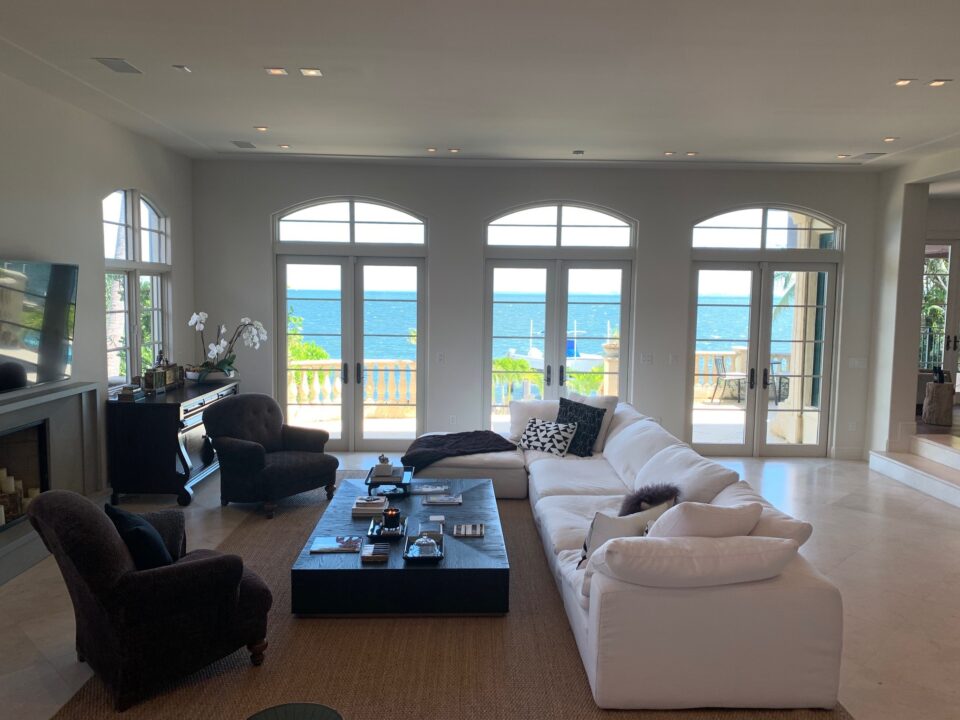
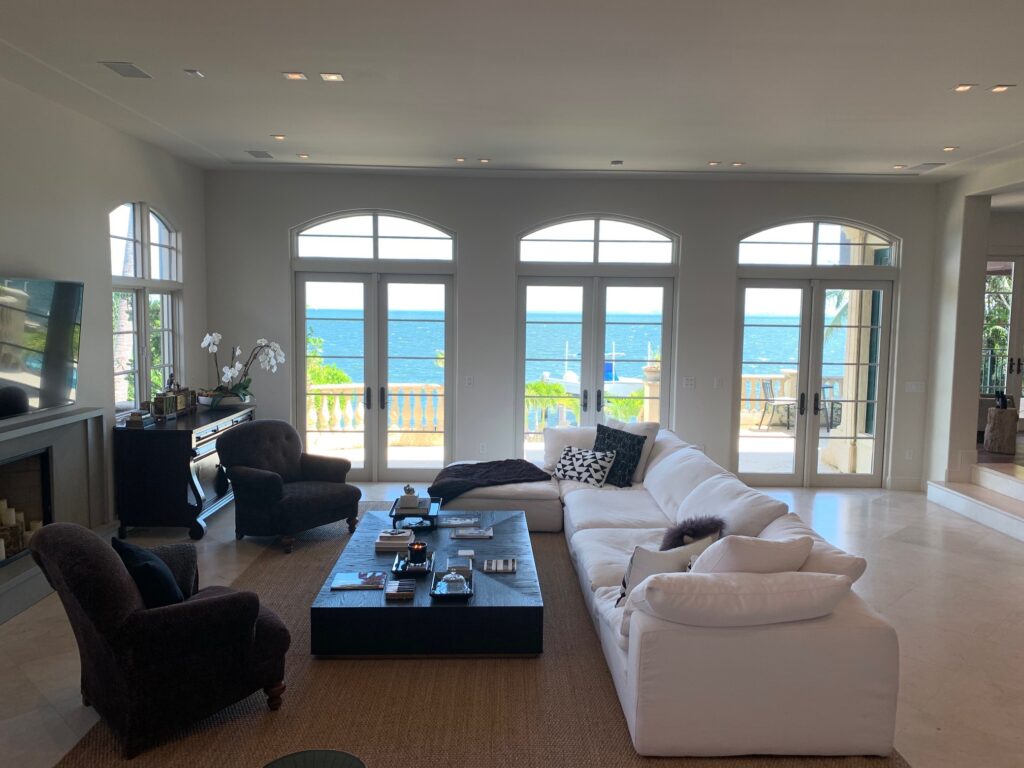
Why Pricing a Dated Home Correctly from Day One Is Non-Negotiable in Coral Gables
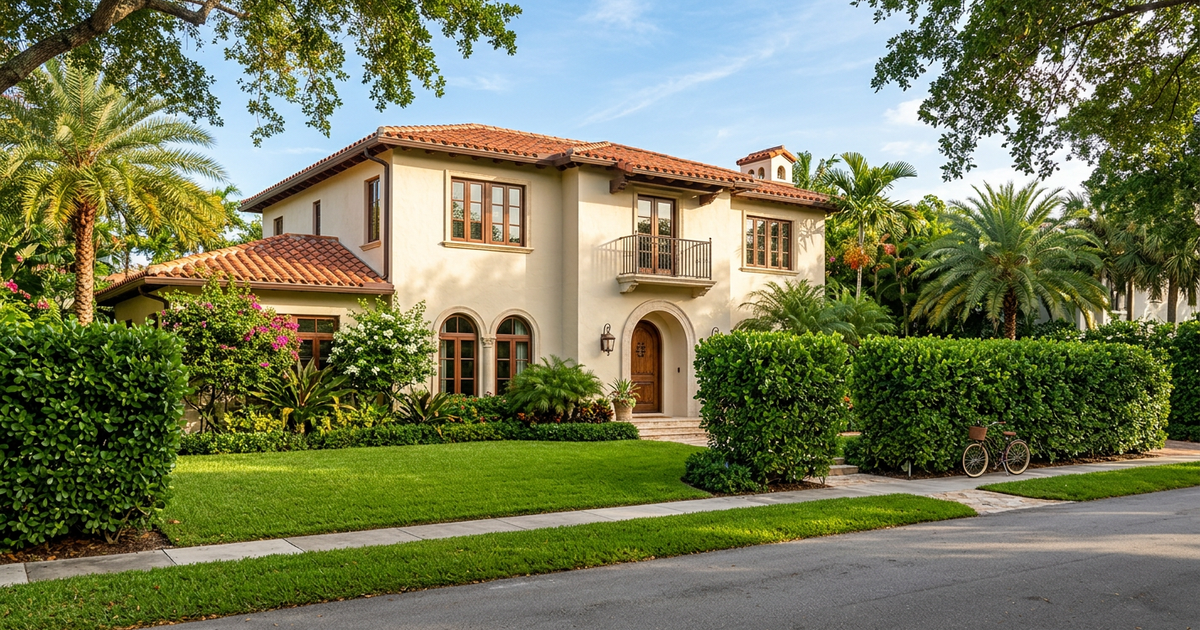
Pricing a dated home incorrectly in Coral Gables, Coconut Grove and Pinecrest does not produce a slower sale. It produces a stale listing. The first two weeks a property sits on the market are the most valuable weeks you have, and once buyers start skipping past it, winning them back costs far more than the overpricing ever gained. For sellers in the $1.5 to $4 million range, correct initial pricing for a dated home in Coral Gables is the single decision that shapes everything else.
Debra Wellins is a Luxury Real Estate Advisor with Berkshire Hathaway HomeServices EWM Realty, specializing in Miami’s most sought-after neighborhoods including Coral Gables, Pinecrest, and Coconut Grove. With over 15 years of experience, $48M+ in sales, and recognition as the #1 closing agent in her office in 2023, she brings a calm, client-first advisory approach backed by a Master’s from FIU and a Bachelor’s from Northwestern. She holds GRI and CLHMS designations.
Why the First Two Weeks on Market Determine Everything
The moment a listing goes live, the clock starts. Buyers who have tracked Coral Gables, Coconut Grove and Pinecrest inventory for months will see a new listing within hours. They will compare it against every property they have already toured, including the kitchen, family and living rooms, bathrooms, primary bedroom, floor plan, and the light. If the price does not reflect what they see, they move on.
Patience is the variable sellers most underestimate. This is not a pandemic-era frenzy where buyers overlooked conditions and scrambled for anything available. Today’s buyers in the $1.5 to $4 million range return for second looks, compare across multiple neighborhoods, and take their time. A dated home priced as if it were turnkey gets skipped.
The result is a listing that accumulates days on market, leaving a seller at a disadvantage as subsequent buyers notice the rising days on market. If you want to understand how momentum builds or collapses in those opening weeks, the data on what happens during a home’s first two weeks on market is worth reviewing before you set your number.
The Hidden Costs of Overpricing a Dated Home in Coral Gables, Coconut Grove and Pinecrest
When a seller can see exactly how comparable dated listings performed after their first price cut, the emotional attachment to a number starts to loosen. The data does not require interpretation. It shows what buyers did and did not do.
Debra arrives at every seller’s meeting prepared, not with an opinion, but with data and supporting documentation. The data includes comparable dated listings in the same price band, their days-on-market trajectory, and what overpricing a dated home actually costs when the data is examined. The Uniform Residential Appraisal Report (URAR) framework that licensed appraisers use gives sellers a useful reference point for understanding how condition adjustments get applied in formal valuations.
Debra Wellins has guided sellers through exactly this conversation hundreds of times.
“If a home is dated, it must be priced correctly. If it’s overpriced by more than 10%, it’s going to sit on the market. Within the first two to three weeks, if a new listing doesn’t have a significant number of showings, buyers showing interest and enthusiasm or an offer or two – that’s the market telling you something.”
– Debra Wellins, Luxury Real Estate Advisor / Sales Associate
How Today’s Luxury Buyers in Miami Evaluate Properties
High net worth buyers in Miami’s have changed meaningfully since the pandemic-era surge. They compare across multiple neighborhoods simultaneously, comparing Coral Gables against Pinecrest and Coconut Grove, and they have seen enough inventory to recognize value gaps immediately. While luxury homes necessarily take longer to sell, overpricing has the same effect.
A dated home is not automatically a problem. Many buyers actively seek homes they can renovate to their own specifications. The issue is pricing a dated home as if the renovation has already happened. Buyers who want a renovation project will discount heavily for the work ahead. Buyers who want turnkey will pass entirely. Neither group pays a premium for a home that asks them to imagine away an old kitchen.
The Coral Gables market rewards honest pricing. The city’s strict zoning, protected tree canopy ordinances, and architectural review requirements create genuine scarcity and great long term value; however, scarcity does not override buyer expectations about condition and value alignment. The same goes for super hot communities like Coconut Grove and Pinecrest, with fewer zoning restrictions but excellent long term value. Buyers know they are purchasing within a regulated and/or super desirable neighborhood which elevates their expectations rather than lowering them.
The ROI of Professional Staging in the $2M to $5M Range
Pricing is only part of the equation. The home’s presentation runs in parallel, and how a seller responds to the staging conversation often predicts the outcome before the listing goes live.
The math is straightforward. For a luxury home in the $2 to $5 million range, professional staging typically runs between $8,000 and $15,000, depending on scope. The return in realized sale price routinely reaches $50,000 to $100,000. Updated furniture, improved landscaping, decluttered interiors, refreshed lighting, and professional photography do not change the bones of a home. They change what buyers feel when they walk in.
For sellers willing to invest modestly in preparation, staged homes sell faster and at stronger prices. Sellers who bypass this step often leave money on the table. Read more about why physical staging consistently outperforms virtual staging in Miami if you want to understand exactly where the value comes from.
Not sure how to position your home before it hits the market? Reach out to Debra Wellins for a straightforward assessment of what preparation will actually move the needle for your specific property.
The Financial Impact of Waiting 60 Days to Learn the Lesson
The pattern repeats with enough consistency that it’s easy to describe in advance. A seller holds firm on price, resists staging, and watches the listing sit. Buyer feedback rolls in concerning a home with an overall dated look, older kitchen and baths, a closed floor plan, or dark interiors. Days on market climb. A price reduction goes live, and new buyers arrive already wondering what is wrong.
Sixty days of carrying costs, diminished buyer interest, and the psychological weight of a visible price cut – all of this can be avoided by smart pricing.
Debra begins every listing conversation with a direct question about flexibility.
“I ask them: if it doesn’t sell at this price, are you willing to reduce? And sometimes I’ll even hear, ‘I want this price, I have to get this price, or I’m inflexible,’ which is not a good sign for a successful transaction. Invariably they come around after 60-90 days and consider staging and/or a price reduction. And as soon as we stage it, and drop the price, the house sells within two to three weeks. New pictures, new presentation, new price.”
– Debra Wellins, Luxury Real Estate Advisor / Sales Associate
Does the Neighbor’s Sale Price Actually Apply to Your Home?
Sellers in appreciating neighborhoods frequently anchor to a neighbor’s sale price from twelve or eighteen months ago. Same street, similar square footage, comparable lot. It feels logical. What it misses is that market conditions shift, and a sale from a year ago reflects a different buyer pool, a different interest rate environment, and often a different level of preparation.
Coral Gables, Coconut Grove and Pinecrest prices have increased significantly over several years. But, this doesn’t guarantee that any individual home holds a premium position, regardless of condition. A neighboring property that sold for $150,000 more eighteen months ago may have had a renovated kitchen, an open floor plan, or better ambient light. The neighborhood carried both sales, but the homes were not equivalent.
The Consumer Financial Protection Bureau’s mortgage resources note that appraised value adjustments for condition can be significant and are applied regardless of neighborhood appreciation trends. Buyers see the same comparison you do, yet draw different conclusions.
This topic is directly addressed in every pricing conversation.
“Sellers always think that their house is so much better than the neighbors and the neighbors sold for $150,000 more a year ago. You just have to convey to them that a year ago is not now.”
– Debra Wellins, Luxury Real Estate Advisor / Sales Associate
Sellers who understand this from the beginning far much better than the ones who need 60 days to discover it. For a broader look at how overconfidence about price affects outcomes across Miami’s market, the real cost of emotional pricing lays it out plainly.
Frequently Asked Questions
How long does it take to know if a dated home in Coral Gables, Coconut Grove or Pinecrest is priced correctly?
The first two to three weeks on the market provide the clearest signal. Strong pricing generates showing activity and offers within that window. A listing that attracts consistent showings but no offers signals a price-to-condition mismatch that needs to be addressed before the listing loses momentum entirely. Similarly, if the feedback is more negative and focused on conditions or dated finishes, a pricing or staging re-evaluation is in order.
Does a dated home always need to be staged before listing in Coral Gables, Coconut Grove or Village of Pinecrest?
Not always, but staging becomes significantly more important when a home has dated finishes. Professional staging does not change the bones of a home; instead, it changes how buyers experience it emotionally. For luxury properties, a modest staging investment routinely yields a substantial return in the final realized sale price.
What do buyers in the $1.5M to $5M range actually look for?
Buyers at this price point are experienced and well-researched. They compare across neighborhoods, return for multiple visits, and carefully evaluate conditions. Open floor plans, natural light, updated kitchens and bathrooms, and outdoor living spaces rank consistently as priorities. Dated finishes are not deal breakers, but they need to be reflected in the price. Buyers will not pay a turnkey premium for a home that requires significant renovation.
How do days on market affect buyer perception in the luxury segment?
In Miami’s luxury market, elevated days on market functions as a signal that something is wrong, even when nothing is. Buyers who encounter a listing with 45 or 60 days on market arrive with a discount expectation already built in. They assume the original price was too high, the home has a hidden problem, or both. This perception is difficult to reverse even after a price reduction.
Should I reduce the price or stage first if my Coral Gables, Coconut Grove or Pinecrest home is not selling?
In most cases, both need to happen, but staging often produces faster results when the core issue is presentation rather than pure price. A staged home with professional photography enters a new marketing cycle, reaching buyers who dismissed the original listing. If buyer feedback consistently references condition and dated finishes, staging addresses the actual objection. If feedback focuses on price relative to comparable sales, a reduction is the more direct fix.
What makes Coral Gables, Coconut Grove and Pinecrest pricing different from other Miami neighborhoods?
These highly desirable communities operate with advantages, like strict zoning, architectural review, independent government, mature tree canopy requirements, sizable lots, proximity to amenities, excellent schools and low crime rates. These create genuine scarcity but also shape buyer expectations. Buyers know they are purchasing in neighborhoods with great resale value. The neighborhood’s prestige elevates buyer expectations.
How should sellers think about a neighbor’s sale price when setting their listing price?
A neighbor’s sale price is a useful data point, not a floor. Two homes on the same street can differ by $150,000 or more based on finishes, floor plan, light, landscaping, and buyer demand at the specific moment of sale. A sale from twelve to eighteen months ago also reflects a different interest rate environment and buyer pool. Current comparable sales carry more weight than older ones, regardless of proximity.
What is the real cost of waiting to stage or reduce price on a Coral Gables listing?
The cost compounds. Each week a home sits without offers adds carrying costs (mortgage, insurance, taxes, maintenance) while simultaneously increasing buyer skepticism. A price reduction that might have attracted multiple offers in week three often attracts cautious, low-ball offers in week ten. Sellers who respond to early market feedback consistently net more than those who delay their response to the market.
Before the Sign Goes in the Yard, Have This Conversation
The most consequential decision in selling a dated home is not which platform your listing appears on. It’s the number you agree to on day one, and whether you prepare the home to meet current buyers expectations.
The first two weeks on the market are the most valuable two weeks a seller has. F Spending them discovering what you should have known before going active costs far more than the honest conversation in advance.
If you are preparing to sell in Coral Gables, Coconut Grove, or Pinecrest and want a clear-eyed read on where your home stands in today’s market, contact Debra Wellins directly. She will show you the data, walk through the comparable sales, and give you a realistic picture before the clock starts.