How Roof Age Quietly Impacts Miami Luxury Real Estate Transactions
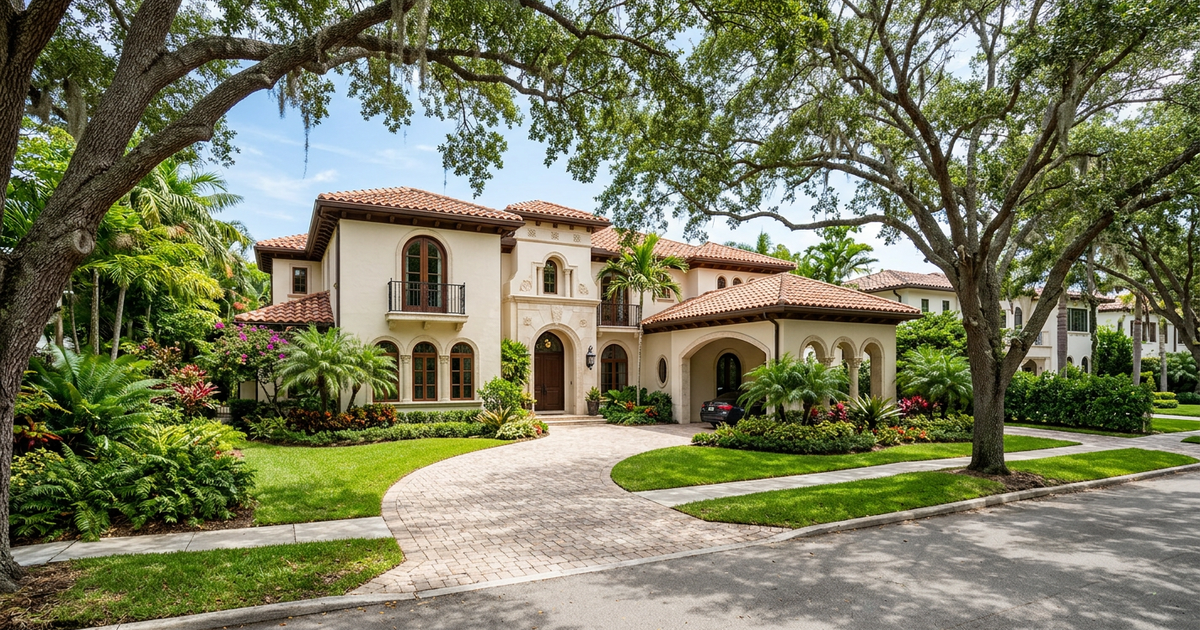
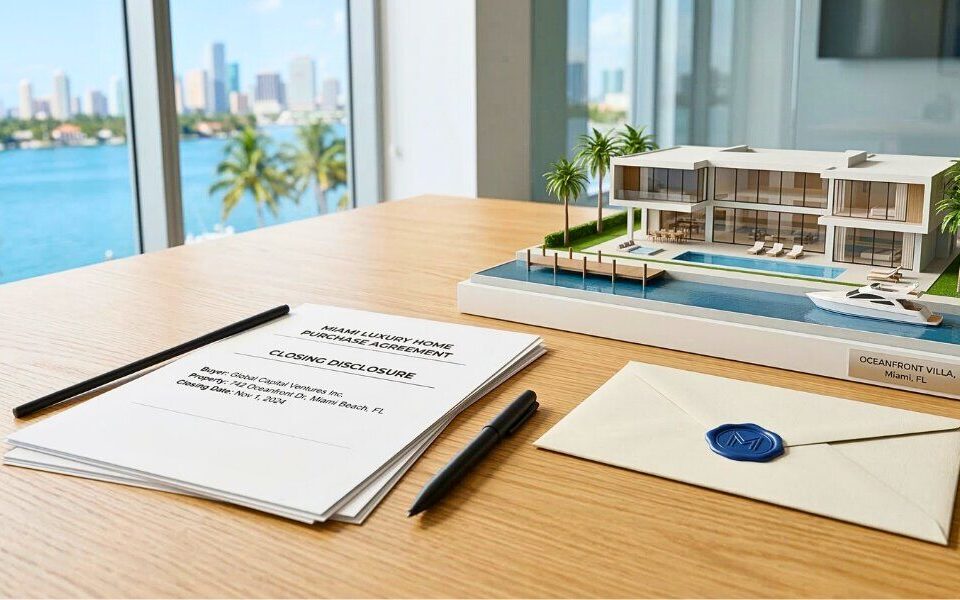
A tile roof that has never leaked a day in its life can still pause a Miami luxury real estate deal. Buyers in Coral Gables, Pinecrest, and Coconut Grove are losing financing, triggering renegotiations, and in some cases walking away from properties they wanted, not because of structural failure, but because of a calendar. Florida insurance carriers heavily scrutinize tile roofs over 25 years old, and no insurable roof means no mortgage. If you are buying or selling in Miami understanding this dynamic before you go under contract is essential.
The conversation happening across Miami luxury transactions right now is not just about rates or inventory. It is about roofs. Specifically, it is about what happens when a property that passes every other inspection still faces insurability hurdles. Discovering this hurdle after becoming emotionally attached to a property often leads to stressful renegotiations. The buyers who ask the roof question first are the ones who close on their terms.
Florida insurance carriers reject tile roofs over 25 years old based on actuarial age thresholds rather than actual condition, and lenders will not fund mortgages without insurable roofs, making roof age a deal breaker in Miami luxury real estate regardless of inspection results. Roof replacement costs ranging from $60,000 to $120,000 for tile roofs have made this issue a central negotiating point between buyers and sellers in the current market. Buyers who ask about roof age and insurability before making an offer and sellers who address roof issues before listing can avoid the financing complications and renegotiations that commonly derail transactions in South Florida.
Why Miami’s Layered Insurance Requirements Make Roofs a Deal Breaker
Miami buyers typically carry three separate policies: hurricane coverage, standard homeowners insurance, and flood coverage. Each has its own underwriting standards. That layered structure introduces more variables for a property, and the roof is where complications most often arise.
While Florida law allows homeowners to submit an inspection showing remaining useful life, many private carriers still use age thresholds to aggressively hike premiums or force transitions to actual cash value policies. For many lenders, that underwriting friction is enough to stall the loan. A tile roof at 25 years old is often categorized by carriers as a high risk. It does not matter if it was inspected last month and received a clean report, as many underwriters place greater weight on the calendar date than on current performance. No insurable roof means the lender cannot fund the loan. In a market where well-qualified buyers compete against significant cash activity, a financing contingency that hits an insurance wall is not just inconvenient. It can end transactions.
Understanding the Gap Between Roof Condition and Insurability
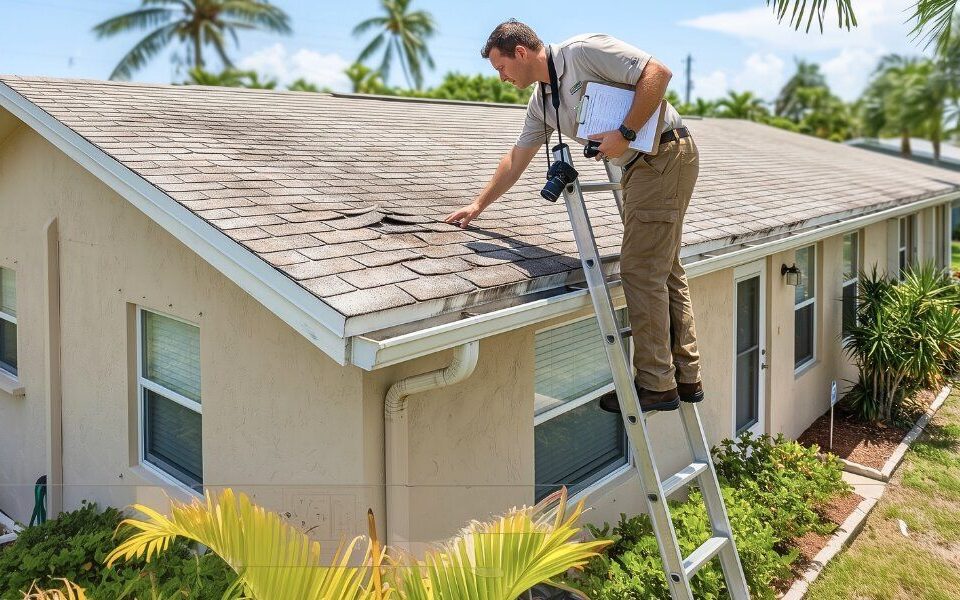
Sellers with older roofs hear the news and respond predictably. ‘The roof is in great shape. We just had it inspected and it’s watertight. No issues. I know it’s 25 years old, but it’s in great condition.’ I hear this all the time and explain that once a roof is past its useful life, it doesn’t matter. Nobody cares. The roof is not an issue we can argue our way out of. The seller must consider either giving a credit to a buyer, or replacing the roof.
Sellers often do not realize that the insurance carrier’s decision is governed by underwriting guidelines set by Florida’s Office of Insurance Regulation. They use actuarial tables to calculate roof longevity. Tile roofs have a useful life of 25 years, metal roofs over 30 years and shingle 10-15 years That distinction changes the negotiation entirely.
How Roof Negotiations Play Out in Miami’s Current Market
In a tight seller’s market, buyers typically absorb the replacement cost and move on. Miami’s current conditions have shifted that dynamic. Inventory has increased across several price tiers in Coral Gables, Coconut Grove and Pinecrest. Buyers are patient. Sellers who want to close can no longer rely on competing offers to resolve uncomfortable disclosures.
That shift has made roof credits and pre-closing replacements standard negotiating territory rather than exceptions.
A recent transaction shows how this plays out. My buyer made an offer on a home where the required roof replacement was approaching $100,000. The seller agreed to replace the roof before closing. Roof replacement costs for Miami luxury homes typically range from $60,000 to $120,000 for tile, depending on size, pitch, and material. That figure is why the roof becomes a central negotiating point rather than a minor repair item.
I’m currently working with the same buyer on a different property: a new construction built onto a historic Coconut Grove home dating to 1919. The new construction is in excellent condition. The historic portion carries a shingle roof that raises questions. An inspection period extension is already in discussion. The roof, again, is the issue at the center of the transaction.
Not sure how to structure your offer when an aging roof is part of the picture? Talk through the deal structure with Debra Wellins at BHHS EWM Realty before you write the contract.
What Sellers Should Do Before Listing a Home With an Older Roof
Know the age and material of your roof before your home goes active. If you have a tile roof approaching or past 25 years, get ahead of the issue. A pre-listing replacement eliminates the biggest friction point in the transaction and factors cleanly into your pricing strategy.
If replacement is not feasible before listing, price accordingly and prepare to offer a credit. Buyers will find the issue. The only question is whether it surfaces before or after you are under contract, and how much negotiating leverage it gives them.
Flat roofs have a shorter lifespan, typically 10 to 15 years, depending on the material and membrane type. Miami has significant inventory with flat roof sections that sellers may not flag and buyers may not immediately identify as a risk. Know what you have before your buyer’s inspector does. The Florida Building Code sets minimum standards for roof replacement materials and installation, and any replacement completed before closing should meet those requirements.
What Buyers Should Ask Before They Fall in Love With a Property
Ask about roof age, material, and condition before you are emotionally committed. I always inquire about roof age along with appliance ages and septic system status, so there are no surprises going into an offer. I also works with an insurance specialist who can review a specific roof profile and return a fast read on insurability before formal underwriting begins.
Ask specifically about flat roof sections, not just the primary structure. If the roof age is close to the threshold, get the insurability question answered before the inspection period, not during it. A buyer who discovers the issue at inspection has less time and less clarity to negotiate cleanly.
For buyers relocating from other states, this dynamic is genuinely unfamiliar. You can read more about how insurance eligibility shapes Miami deal structures and why it catches so many out-of-state buyers off guard.
What Florida’s Broader Insurance Climate Means Right Now
Florida’s insurance market has been in upheaval for several years. Carriers exited the state in large numbers. Citizens Property Insurance Corporation, the state’s insurer of last resort, absorbed thousands of policies as private carriers pulled back. Premiums on luxury properties climbed sharply.
Early signals of stabilization have appeared. The first rate decrease filings in years have entered the personal lines pipeline. Reinsurance markets have shown more appetite for Florida risk. These are real improvements. But the structural reality of South Florida’s hurricane exposure has not changed, and underwriting thresholds on older roofs remain strict despite the rate adjustments. A welcome premium reduction does not move the 25-year tile roof hurdle.
Buyers who close with confidence understand what they were looking at before the offer. Sellers who close without price reductions resolved the roof question before it became a point of leverage. The Pinecrest, Coconut Grove and Coral Gables markets in particular, where a significant share of inventory predates 1990, make this knowledge a standard requirement rather than advanced preparation. For additional context on how property condition factors interact with deal timing in this market, see the first two weeks and what they mean for a Miami home sale.
Frequently Asked Questions
Why do Florida insurance companies reject a roof based on age if it isn’t leaking?
Florida carriers often rely on age thresholds to assess risk. While state law allows inspections to establish remaining useful life, many underwriters view a tile roof over 25 years as highly vulnerable in a hurricane-prone environment. Age is a key metric they use because it correlates with storm vulnerability over time, which can lead to higher premiums or restricted coverage options.
What happens to a Miami deal when the roof fails to meet insurability requirements?
Without an insurable roof, a buyer with a mortgage cannot obtain the coverage their lender requires. The transaction stalls. From that point, the parties negotiate a credit, a pre-closing replacement, or a price reduction. If neither side moves, the deal falls apart. In today’s market, sellers are generally negotiating rather than losing the buyer.
How much does roof replacement cost on a Miami luxury home?
Costs vary significantly by size, pitch, and material. Tile roof replacement for larger luxury homes in Coral Gables or Pinecrest typically ranges from $60,000 to $120,000 or more. Flat roof sections are priced differently based on the membrane type and square footage. These figures are why roof condition becomes a central negotiating issue rather than a repair line item.
Does a flat roof have the same 25-year threshold as a tile roof?
No. Flat roofs carry a shorter expected lifespan, typically 10 to 15 years, depending on material and installation. Miami has a significant inventory of flat-roof sections that buyers may not immediately recognize. Ask specifically about any flat portions of the structure early in your search, not just during the inspection.
Can a seller provide a roof certification to satisfy the insurer?
Some carriers accept a certification from a licensed inspector as a basis for coverage, but this is not universal. Carriers who accept certifications often have their own age cutoffs above which a certification carries less weight. Verify with your insurance broker before treating a certification as a reliable workaround.
What is the difference between a roof credit and a pre-closing replacement?
A roof credit reduces the purchase price or provides funds at closing that the buyer applies toward replacement after taking ownership. A pre-closing replacement means the seller completes the work before the transaction closes. Buyers generally prefer pre-closing replacements because they can verify the work, have input on materials, and avoid managing a major project immediately after moving in.
How does an aging roof shift negotiating power in today’s Miami market?
In a strong seller’s market, buyers absorb roof issues or walk. In a balanced or buyer-leaning market, a roof at or past its threshold shifts leverage meaningfully. Sellers who want to close without extended back-and-forth either resolve the issue before listing or price the home to reflect it. Buyers who identify the issue early hold a defensible basis for credit requests that sellers are increasingly accepting. More on how insurance issues translate to negotiating position can be found in this look at turning property condition into negotiation power.
Before You Make an Offer, Know What You Are Looking At
Miami’s insurance environment rewards preparation. The buyers who avoid stressful renegotiations are the ones who asked the roof question before they were emotionally attached to a property. The sellers who close at their ideal number resolved the issue before it became a point of leverage.
I’m a Luxury Real Estate Advisor with Berkshire Hathaway HomeServices EWM Realty, specializing in Miami’s most sought-after neighborhoods including Coral Gables, Pinecrest, and Coconut Grove. With over 15 years of experience, $48M+ in sales, and recognition as the #1 agent in closed transactions in my office in 2023, I offer a calm, client-first advisory approach backed by a Master’s from FIU and an undergraduate degree from Northwestern. I hold GRI and CLHMS designations.
If you are considering a purchase or sale in Coral Gables, Pinecrest, Coconut Grove, or the surrounding areas, Debra Wellins provides direct, no-pressure guidance on how insurance and property condition are affecting deal structures right now. Contact Debra Wellins at BHHS EWM Realty to start the conversation before you go under contract.
ABOUT THE AUTHOR
Debra Wellins is a luxury real estate advisor with Berkshire Hathaway HomeServices EWM Realty, specializing in Miami’s most sought-after neighborhoods including Coral Gables, Pinecrest, and Coconut Grove. With over 15 years of experience, $48M+ in sales, and recognition as the #1 closing agent in her office in 2023, she brings a calm, client-first advisory approach backed by a Master’s from FIU and a Bachelor’s from Northwestern. She holds GRI and CLHMS designations.